


awesome-ai-web-search
A list of software that allows searching the web with the assistance of AI: https://hf.co/spaces/felladrin/awesome-ai-web-search
Stars: 722
The 'awesome-ai-web-search' repository is a curated list of AI-powered web search software that focuses on the intersection of Large Language Models (LLMs) and web search capabilities. It contains a timeline of various software supporting web search with LLM summarization, chat capabilities, and agent-driven research. The repository showcases both open-source and closed-source tools, providing a comprehensive overview of AI web search solutions available in the market.
README:

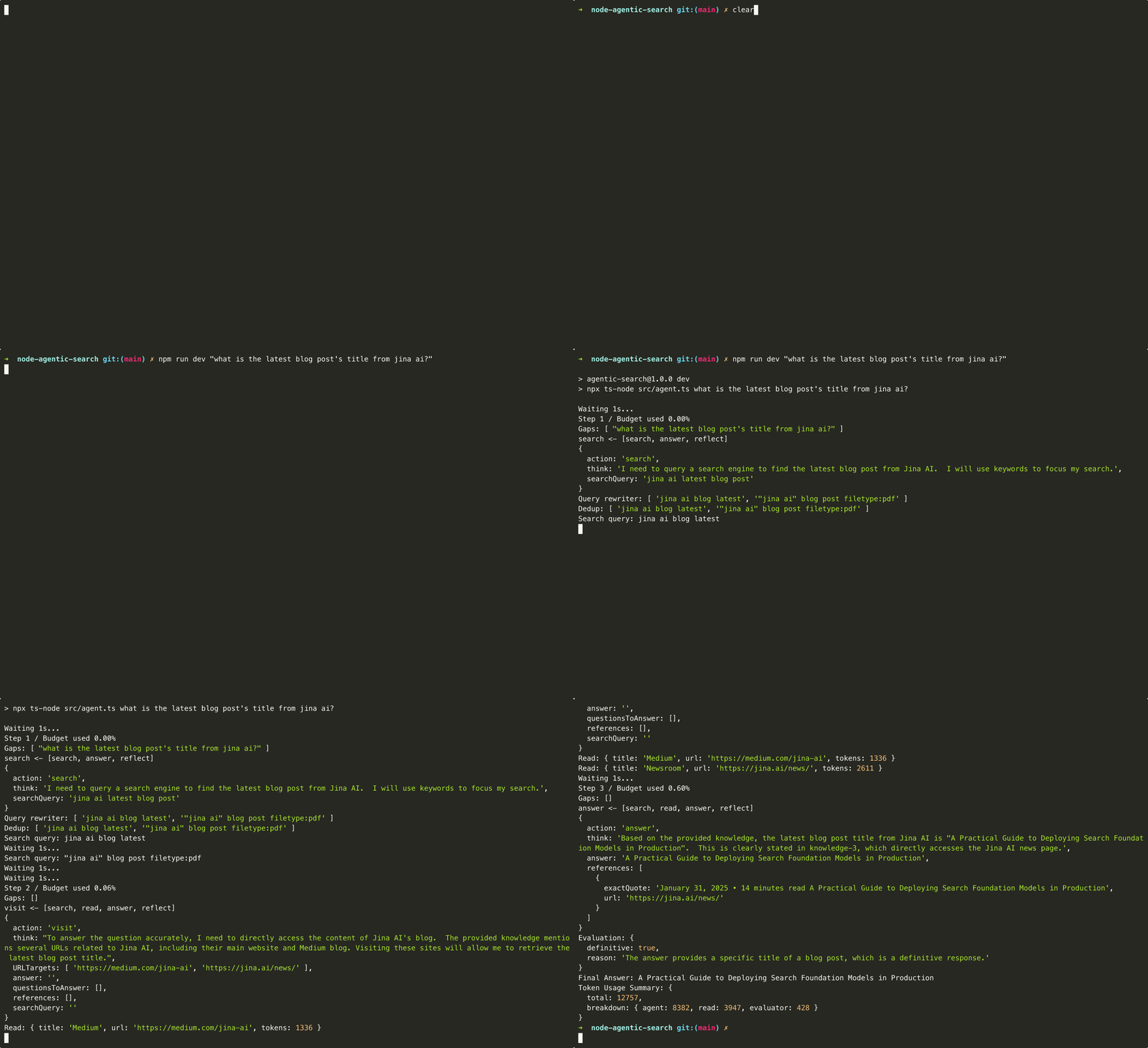
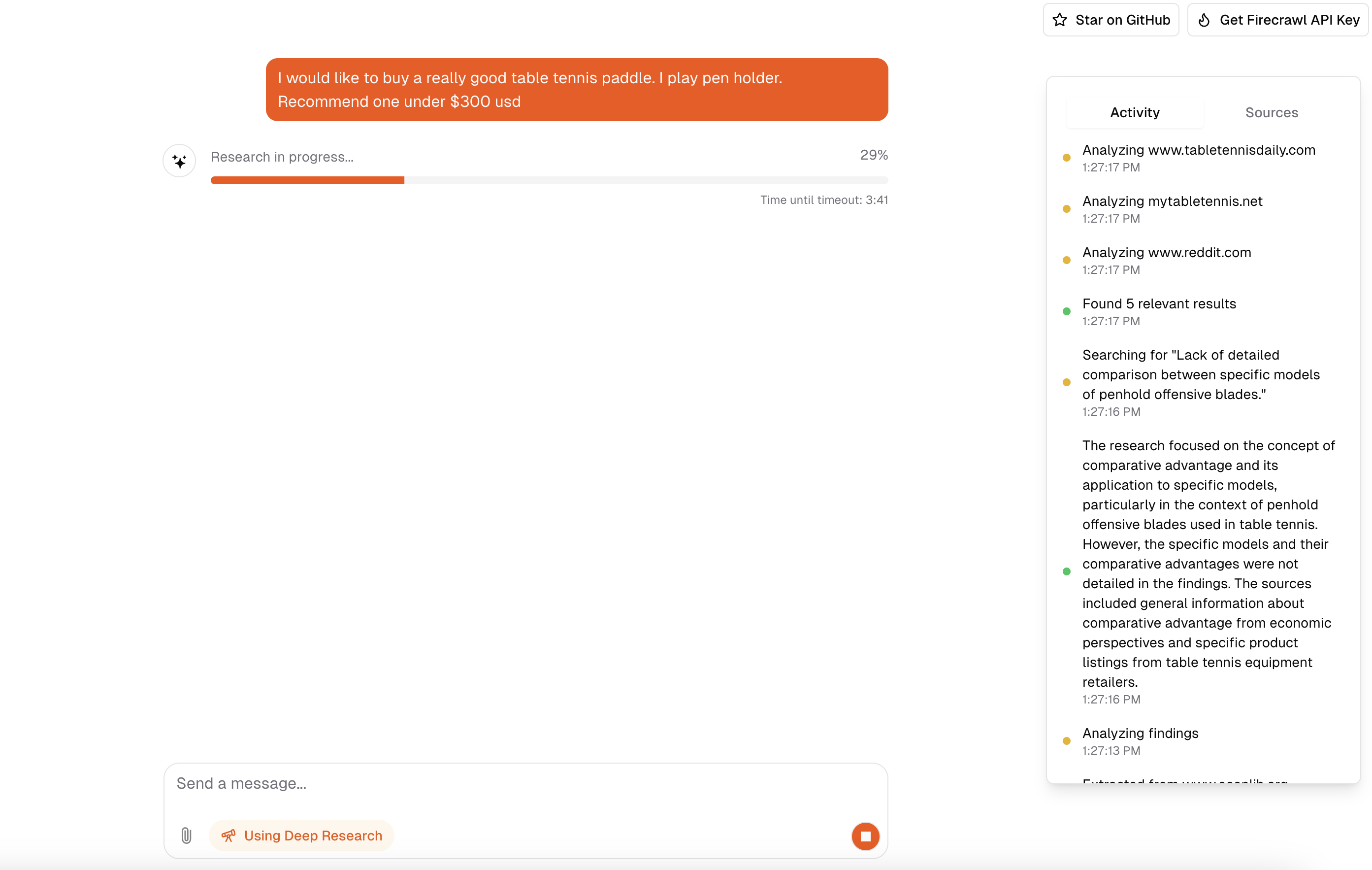
A curated list of AI-powered web search software, focusing on the intersection of Large Language Models (LLMs) and web search capabilities.
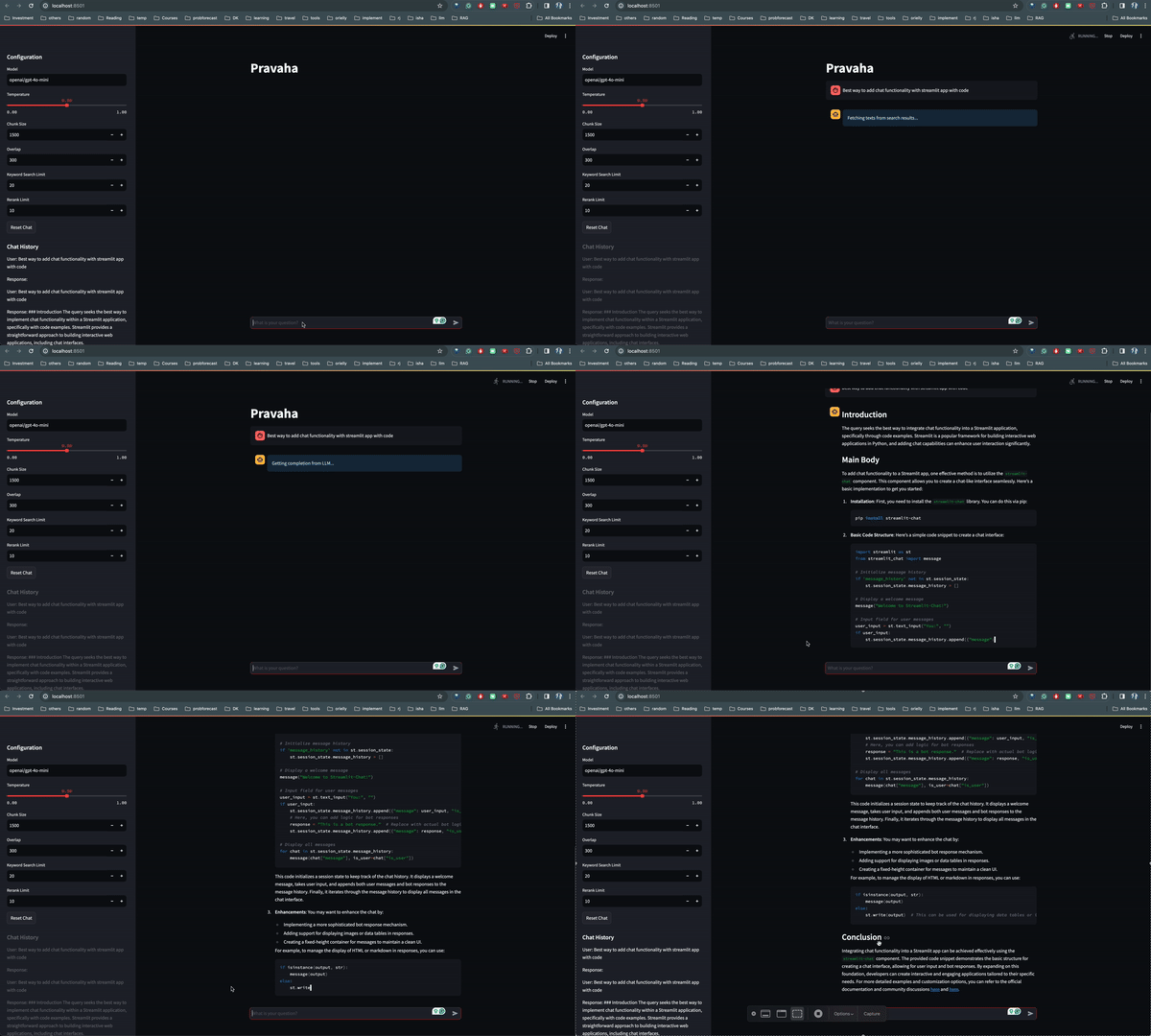
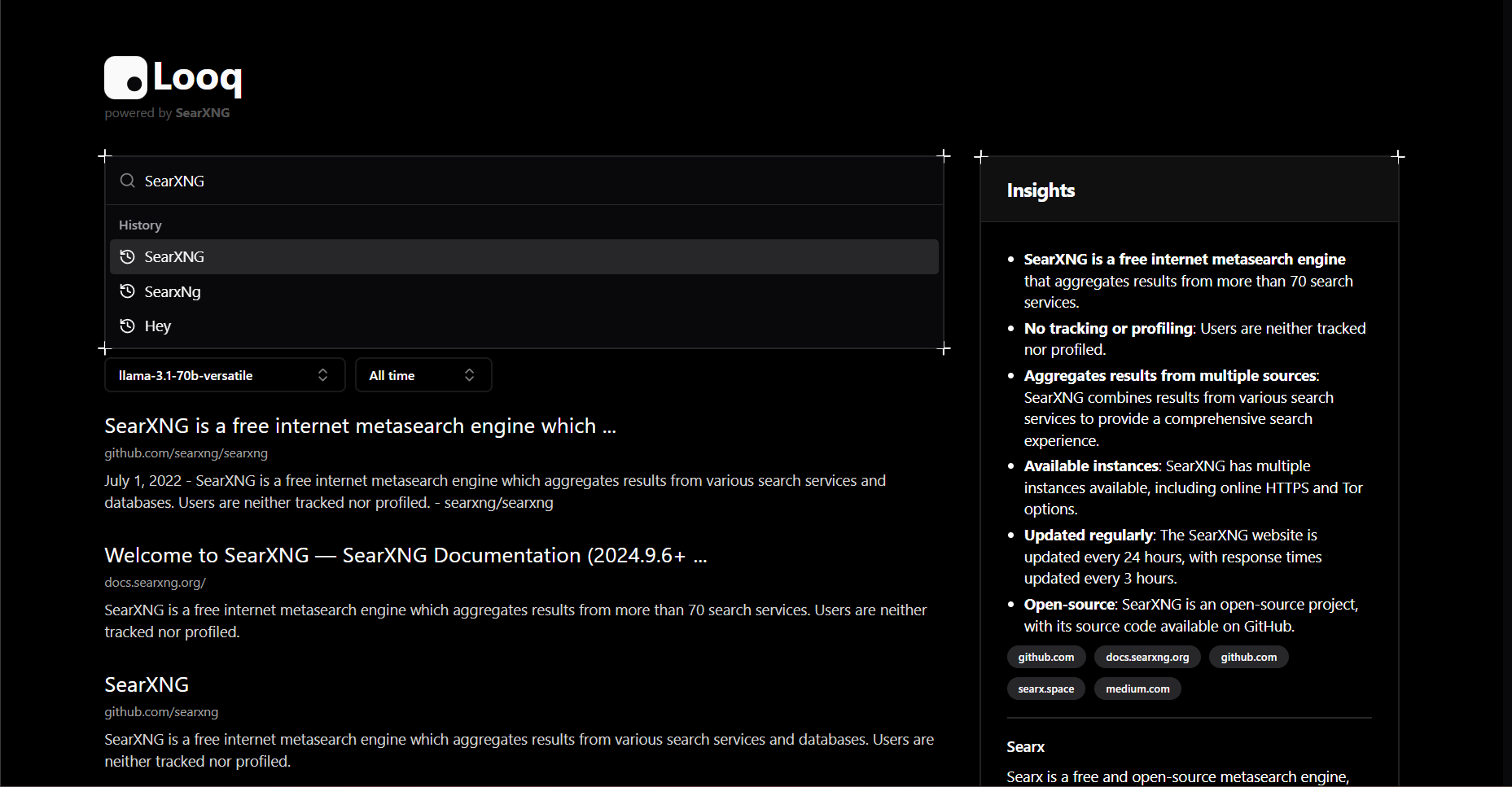
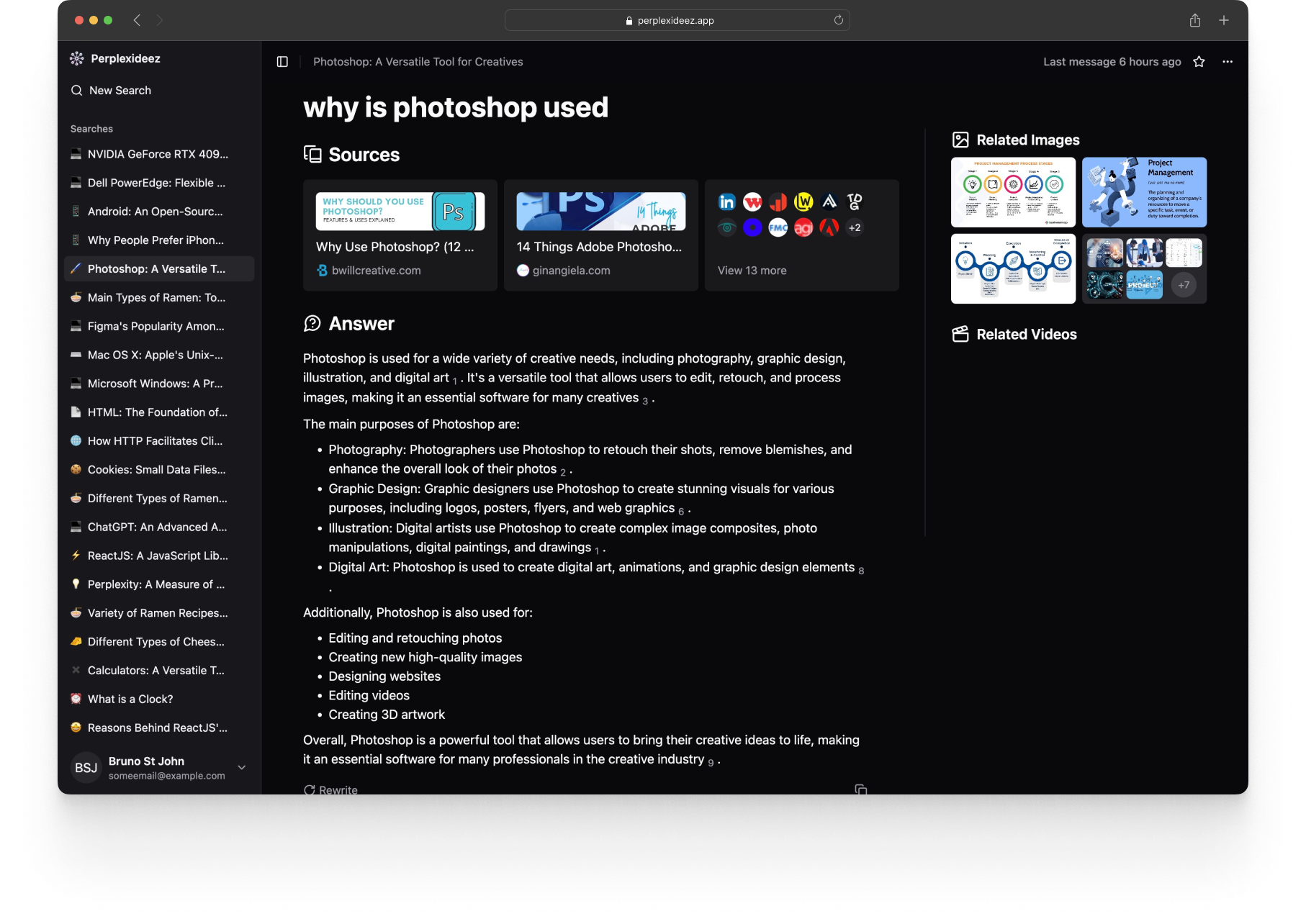
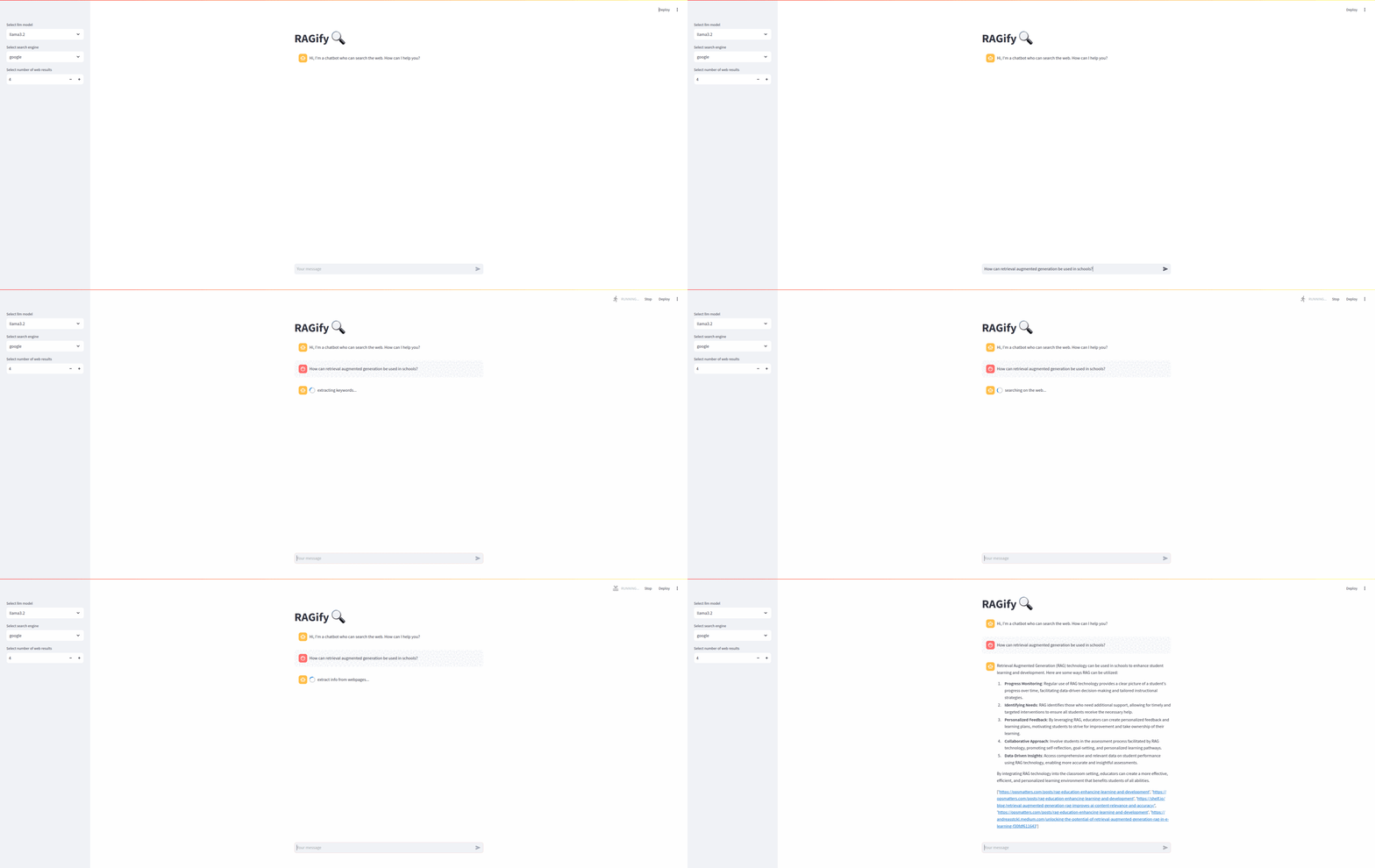
The list is organized as a timeline, containing software that support the following use cases:
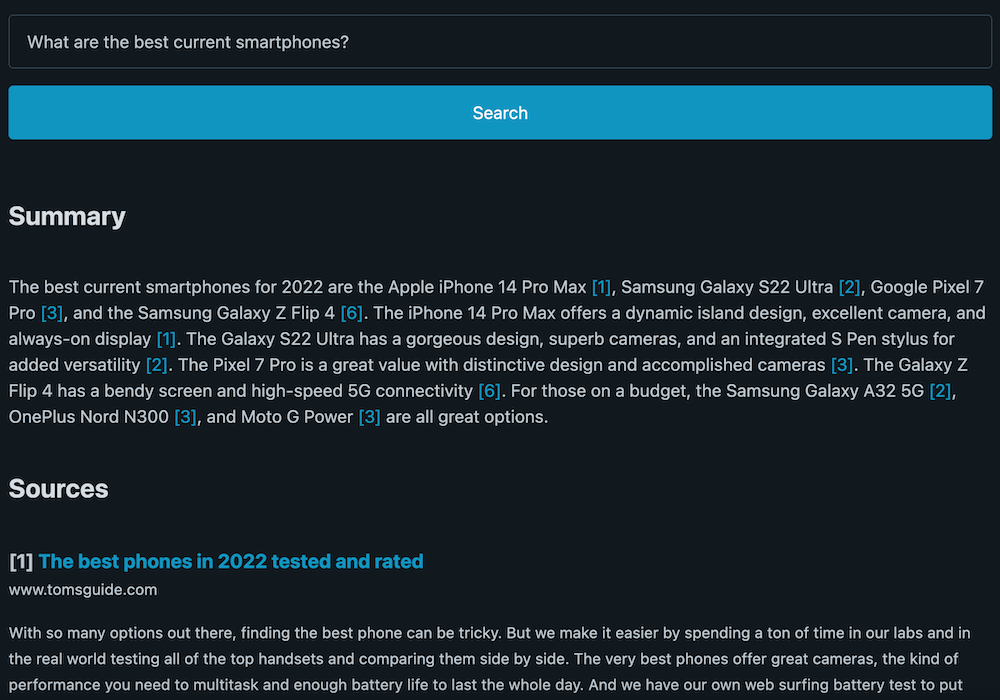
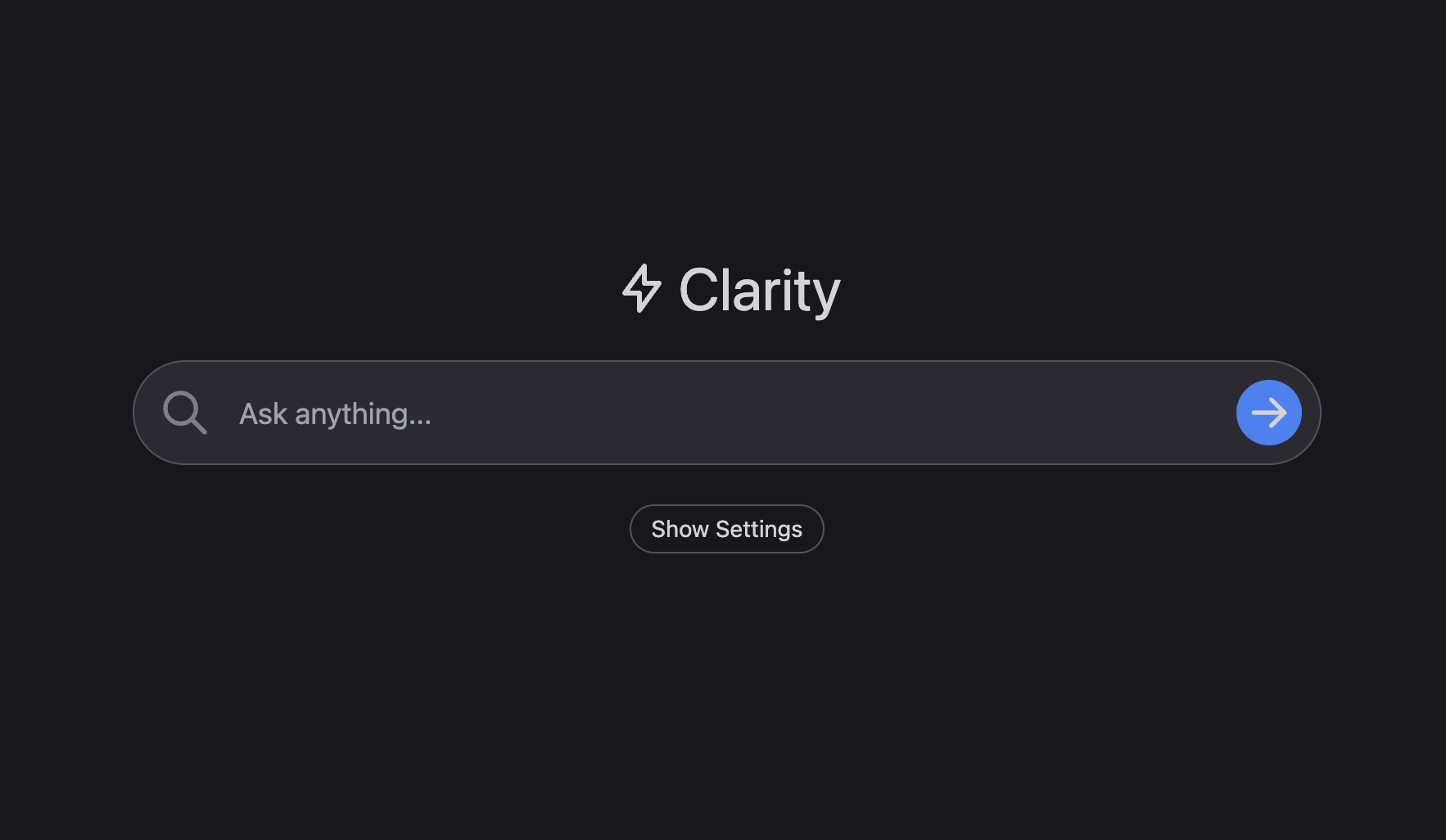
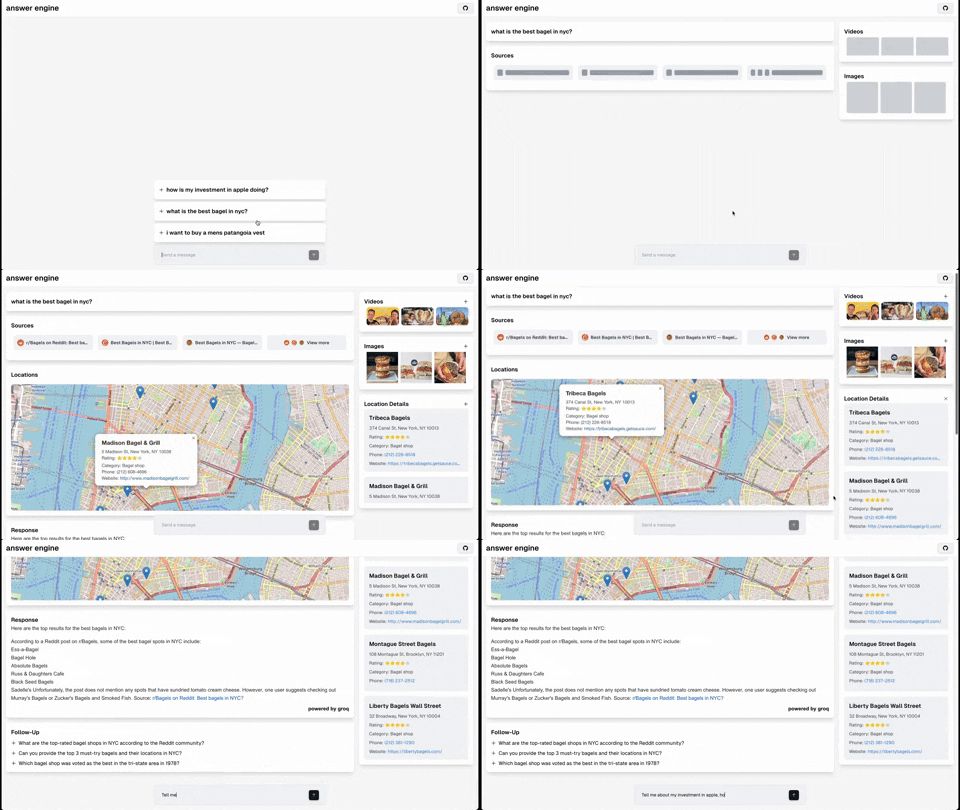
- Web search with LLM summarization and follow-up questions.
- LLM chat with web search support.
- Agent-driven research done by LLMs searching the web and generating a report.

For Tasks:
Click tags to check more tools for each tasksFor Jobs:
Alternative AI tools for awesome-ai-web-search
Similar Open Source Tools
awesome-ai-web-search
The 'awesome-ai-web-search' repository is a curated list of AI-powered web search software that focuses on the intersection of Large Language Models (LLMs) and web search capabilities. It contains a timeline of various software supporting web search with LLM summarization, chat capabilities, and agent-driven research. The repository showcases both open-source and closed-source tools, providing a comprehensive overview of AI web search solutions available in the market.
Awesome-LLM-Eval
Awesome-LLM-Eval: a curated list of tools, benchmarks, demos, papers for Large Language Models (like ChatGPT, LLaMA, GLM, Baichuan, etc) Evaluation on Language capabilities, Knowledge, Reasoning, Fairness and Safety.
kumo-search
Kumo search is an end-to-end search engine framework that supports full-text search, inverted index, forward index, sorting, caching, hierarchical indexing, intervention system, feature collection, offline computation, storage system, and more. It runs on the EA (Elastic automic infrastructure architecture) platform, enabling engineering automation, service governance, real-time data, service degradation, and disaster recovery across multiple data centers and clusters. The framework aims to provide a ready-to-use search engine framework to help users quickly build their own search engines. Users can write business logic in Python using the AOT compiler in the project, which generates C++ code and binary dynamic libraries for rapid iteration of the search engine.
so-vits-models
This repository collects various LLM, AI-related models, applications, and datasets, including LLM-Chat for dialogue models, LLMs for large models, so-vits-svc for sound-related models, stable-diffusion for image-related models, and virtual-digital-person for generating videos. It also provides resources for deep learning courses and overviews, AI competitions, and specific AI tasks such as text, image, voice, and video processing.
Awesome-LLM-3D
This repository is a curated list of papers related to 3D tasks empowered by Large Language Models (LLMs). It covers tasks such as 3D understanding, reasoning, generation, and embodied agents. The repository also includes other Foundation Models like CLIP and SAM to provide a comprehensive view of the area. It is actively maintained and updated to showcase the latest advances in the field. Users can find a variety of research papers and projects related to 3D tasks and LLMs in this repository.
Awesome-AGI
Awesome-AGI is a curated list of resources related to Artificial General Intelligence (AGI), including models, pipelines, applications, and concepts. It provides a comprehensive overview of the current state of AGI research and development, covering various aspects such as model training, fine-tuning, deployment, and applications in different domains. The repository also includes resources on prompt engineering, RLHF, LLM vocabulary expansion, long text generation, hallucination mitigation, controllability and safety, and text detection. It serves as a valuable resource for researchers, practitioners, and anyone interested in the field of AGI.
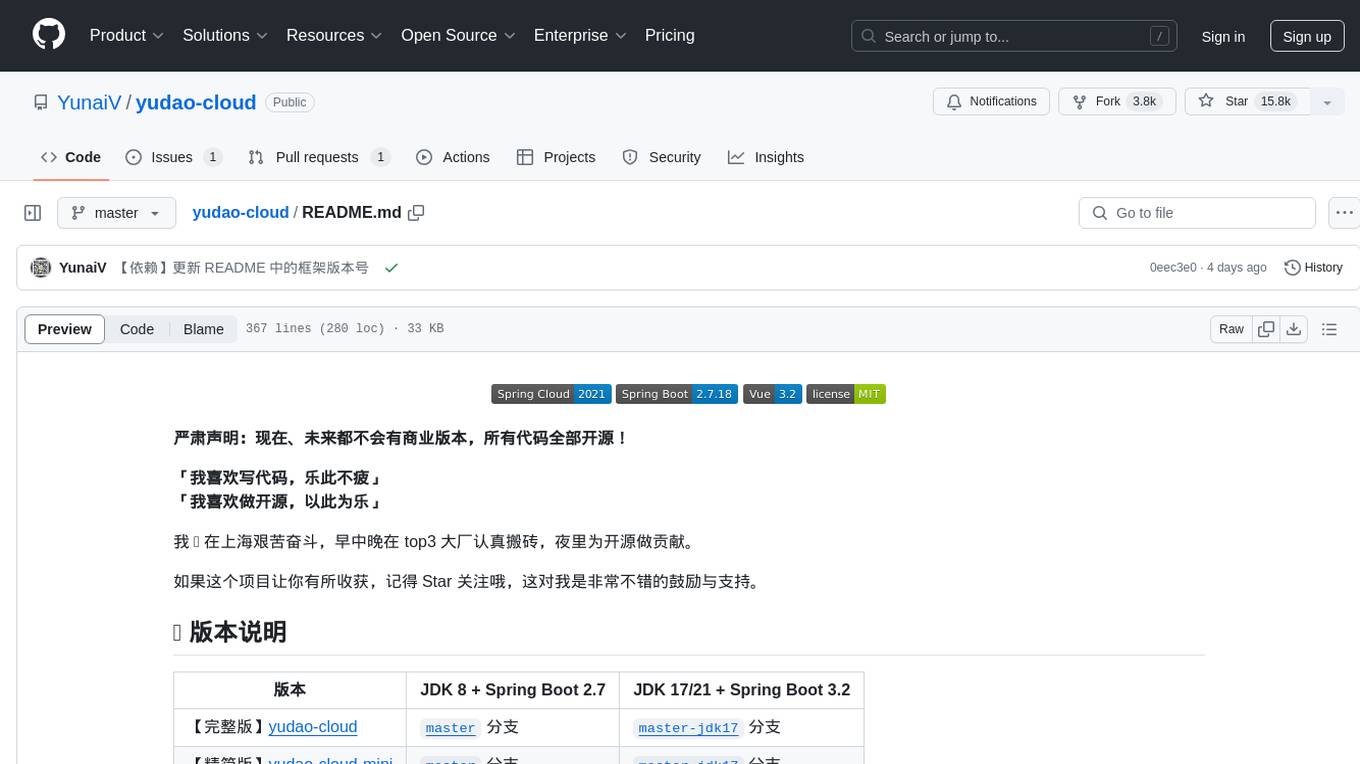
yudao-cloud
Yudao-cloud is an open-source project designed to provide a fast development platform for developers in China. It includes various system functions, infrastructure, member center, data reports, workflow, mall system, WeChat public account, CRM, ERP, etc. The project is based on Java backend with Spring Boot and Spring Cloud Alibaba microservices architecture. It supports multiple databases, message queues, authentication systems, dynamic menu loading, SaaS multi-tenant system, code generator, real-time communication, integration with third-party services like WeChat, Alipay, and more. The project is well-documented and follows the Alibaba Java development guidelines, ensuring clean code and architecture.
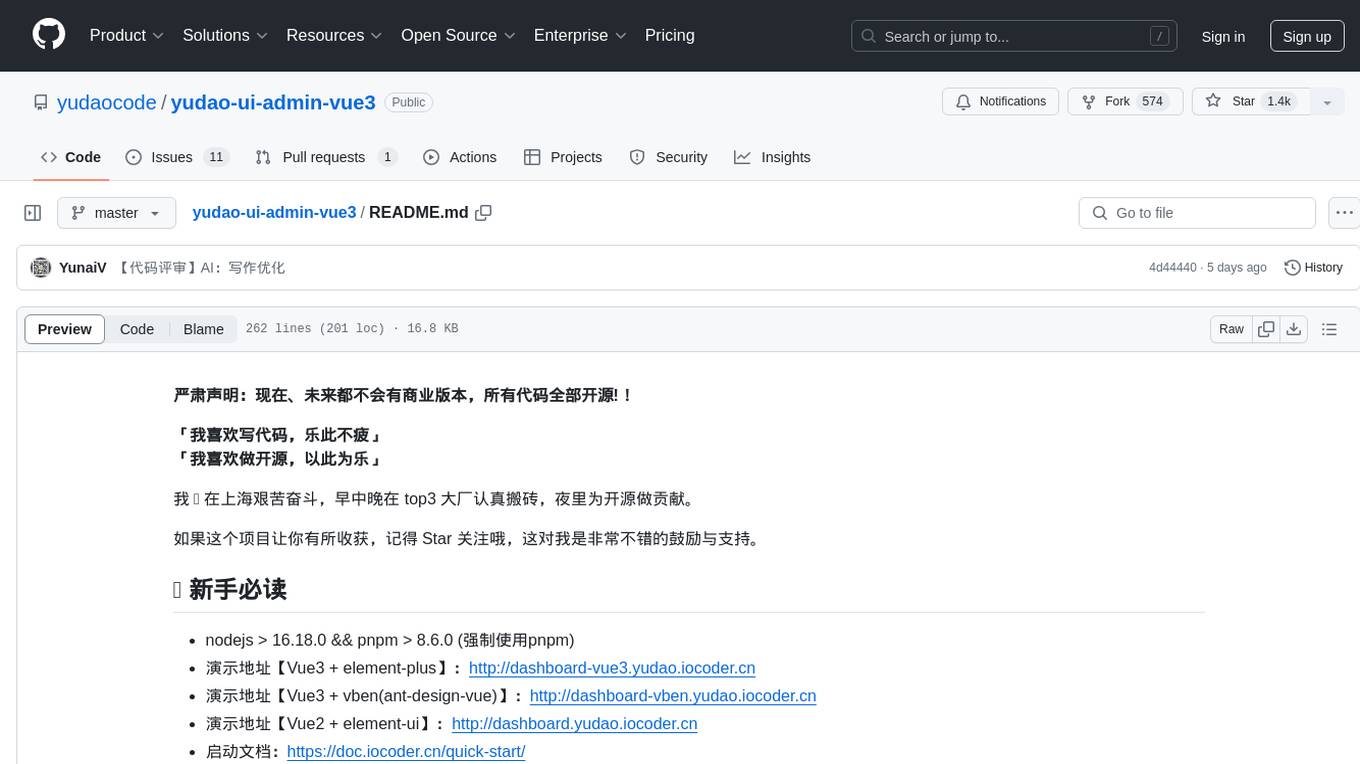
yudao-ui-admin-vue3
The yudao-ui-admin-vue3 repository is an open-source project focused on building a fast development platform for developers in China. It utilizes Vue3 and Element Plus to provide features such as configurable themes, internationalization, dynamic route permission generation, common component encapsulation, and rich examples. The project supports the latest front-end technologies like Vue3 and Vite4, and also includes tools like TypeScript, pinia, vueuse, vue-i18n, vue-router, unocss, iconify, and wangeditor. It offers a range of development tools and features for system functions, infrastructure, workflow management, payment systems, member centers, data reporting, e-commerce systems, WeChat public accounts, ERP systems, and CRM systems.
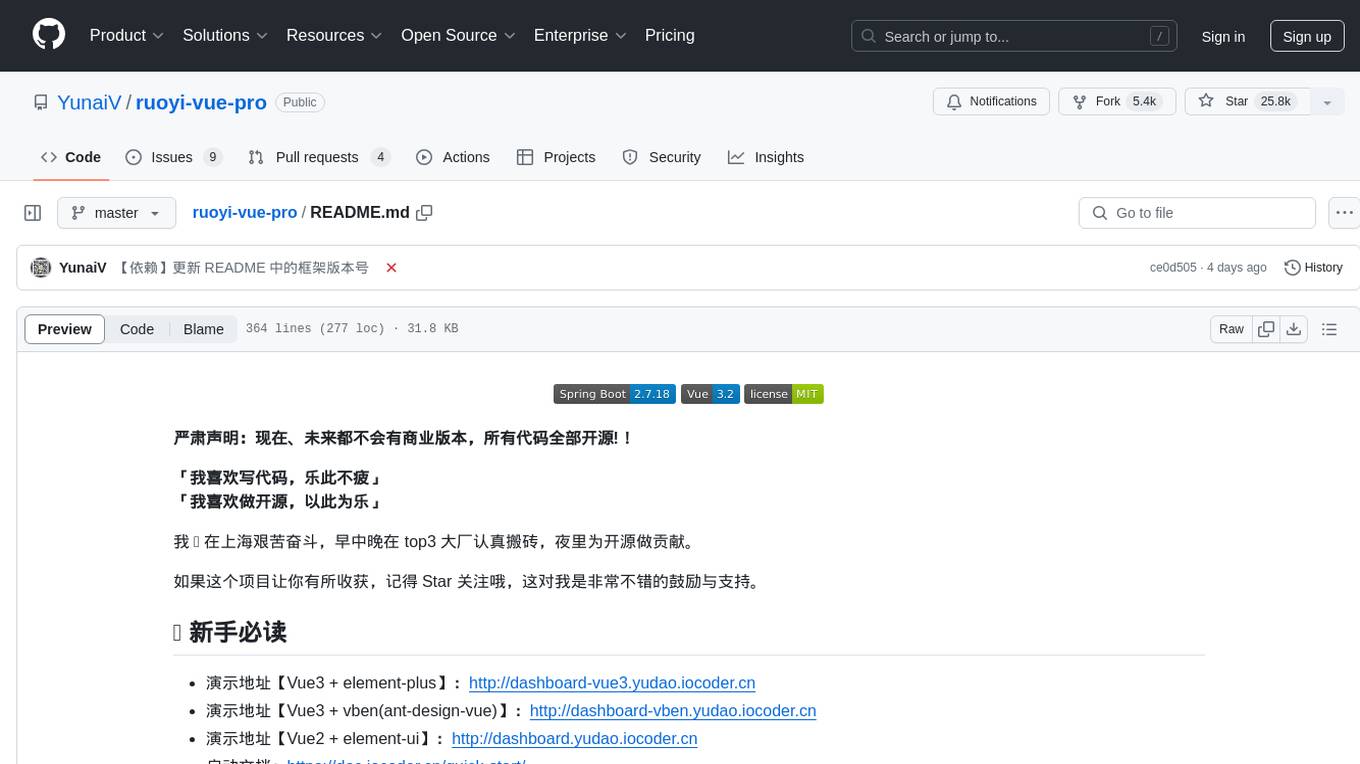
ruoyi-vue-pro
The ruoyi-vue-pro repository is an open-source project that provides a comprehensive development platform with various functionalities such as system features, infrastructure, member center, data reports, workflow, payment system, mall system, ERP system, CRM system, and AI big model. It is built using Java backend with Spring Boot framework and Vue frontend with different versions like Vue3 with element-plus, Vue3 with vben(ant-design-vue), and Vue2 with element-ui. The project aims to offer a fast development platform for developers and enterprises, supporting features like dynamic menu loading, button-level access control, SaaS multi-tenancy, code generator, real-time communication, integration with third-party services like WeChat, Alipay, and cloud services, and more.
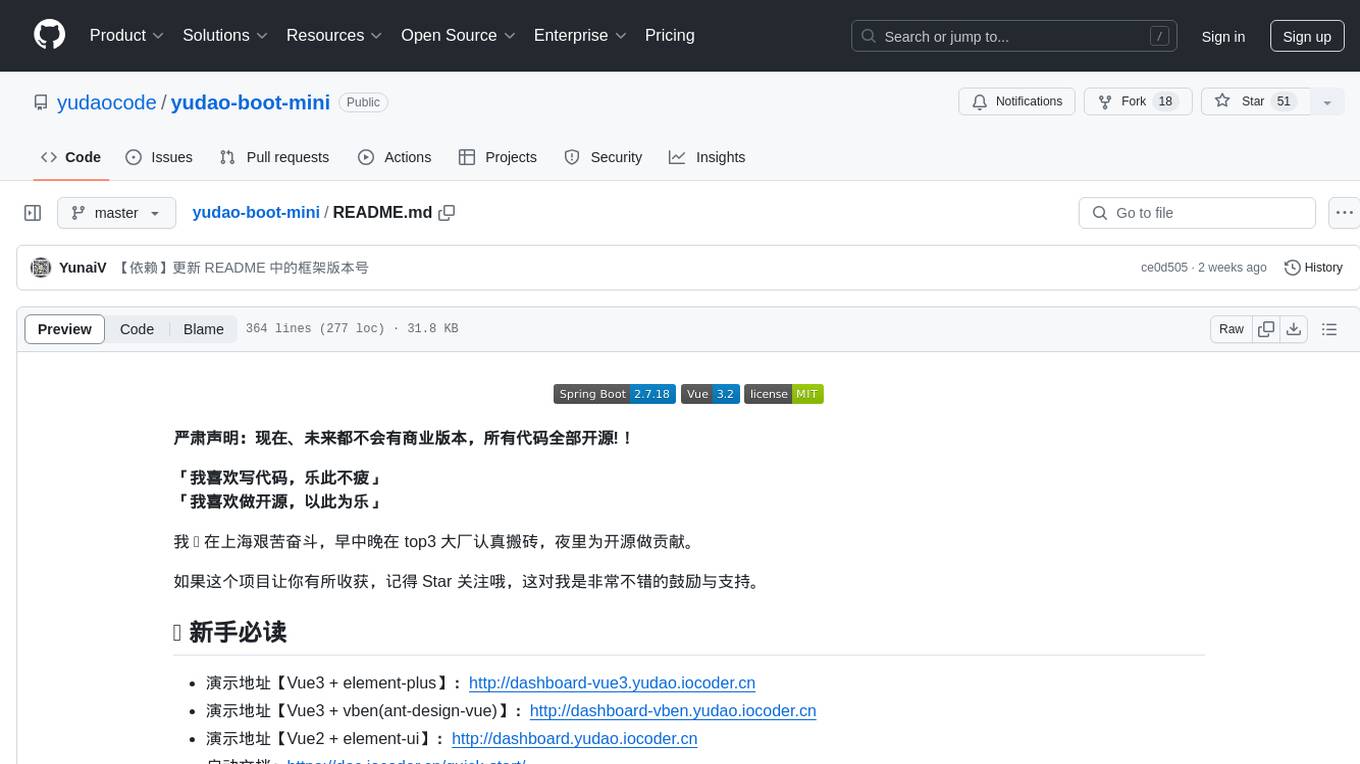
yudao-boot-mini
yudao-boot-mini is an open-source project focused on developing a rapid development platform for developers in China. It includes features like system functions, infrastructure, member center, data reports, workflow, mall system, WeChat official account, CRM, ERP, etc. The project is based on Spring Boot with Java backend and Vue for frontend. It offers various functionalities such as user management, role management, menu management, department management, workflow management, payment system, code generation, API documentation, database documentation, file service, WebSocket integration, message queue, Java monitoring, and more. The project is licensed under the MIT License, allowing both individuals and enterprises to use it freely without restrictions.
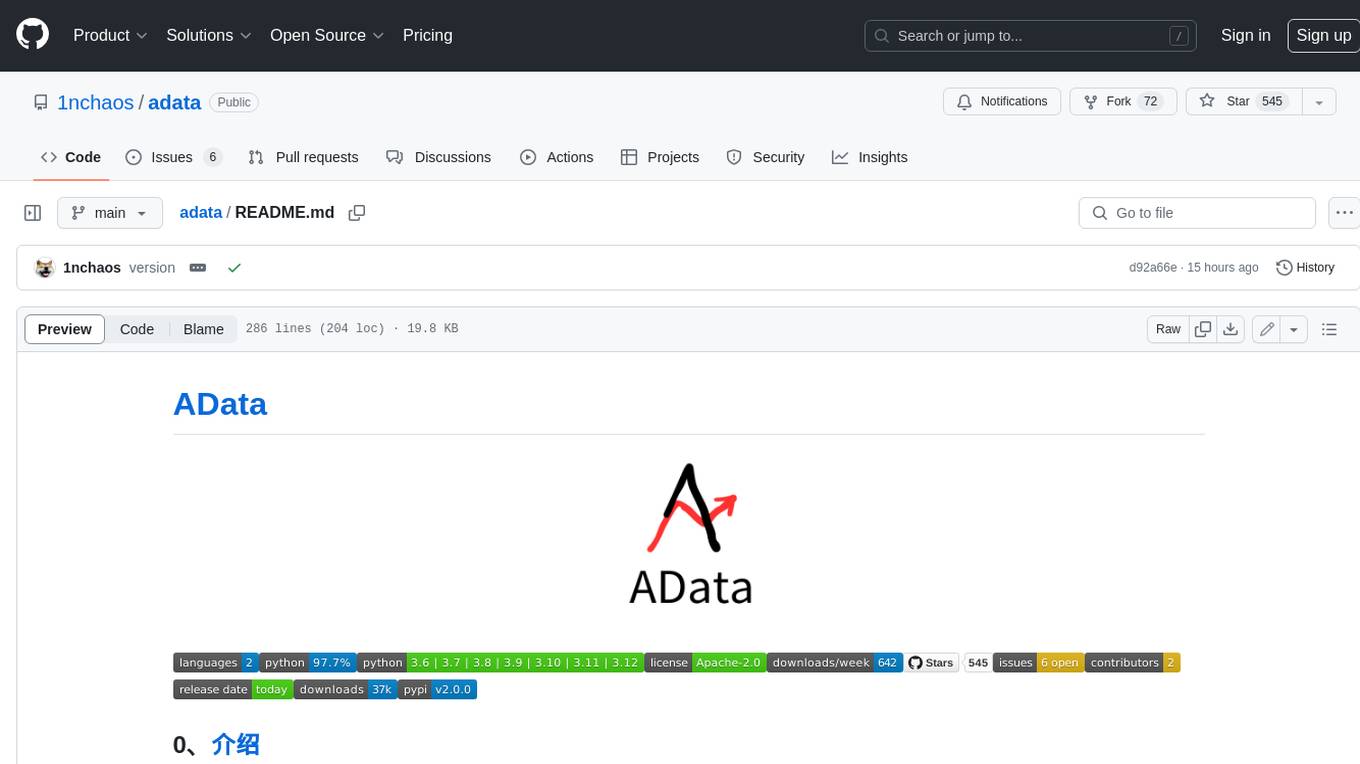
adata
AData is a free and open-source A-share database that focuses on transaction-related data. It provides comprehensive data on stocks, including basic information, market data, and sentiment analysis. AData is designed to be easy to use and integrate with other applications, making it a valuable tool for quantitative trading and AI training.
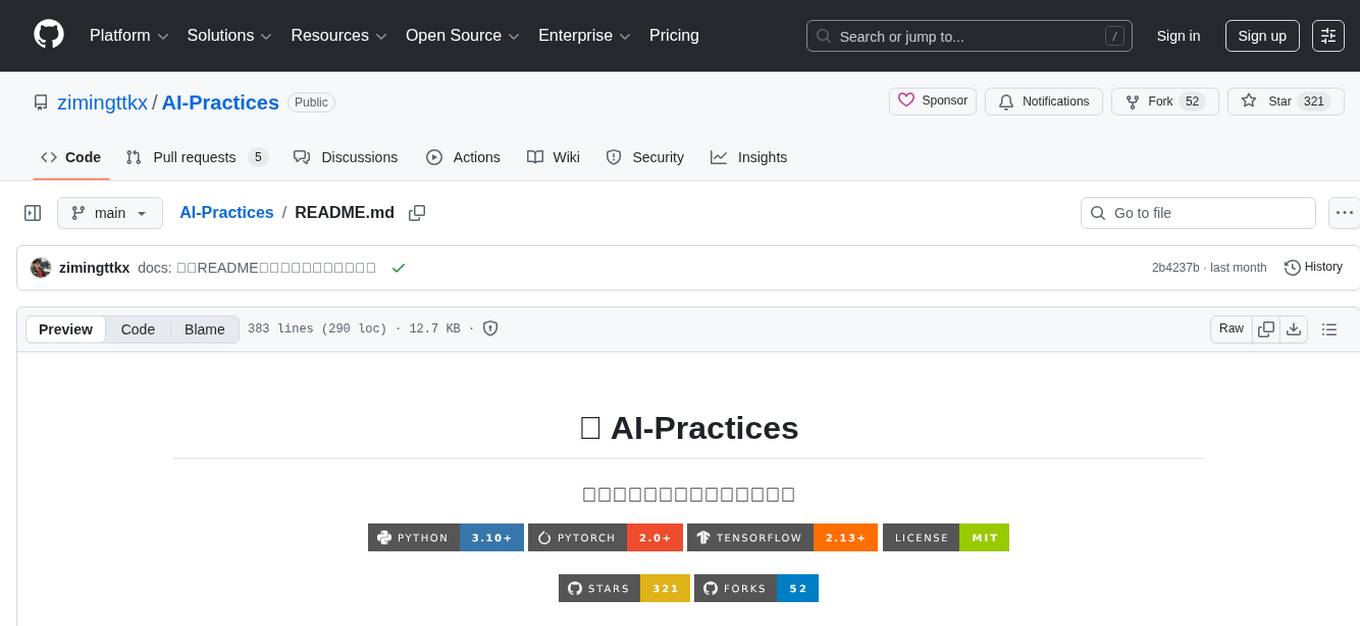
AI-Practices
AI-Practices is a systematic platform for learning and practicing artificial intelligence, covering a wide range of topics from foundational machine learning to advanced deep learning, reinforcement learning, generative models, large language models, multimodal learning, deployment optimization, distributed training, and agent reasoning. The platform provides a structured learning path, combining theoretical knowledge with practical implementation, following industrial code standards and including Kaggle competition solutions. It covers core algorithms in machine learning, deep learning, reinforcement learning, generative models, and large models. The platform supports popular deep learning frameworks like PyTorch, TensorFlow, and Keras, along with essential data science tools like NumPy, Pandas, and Scikit-Learn.
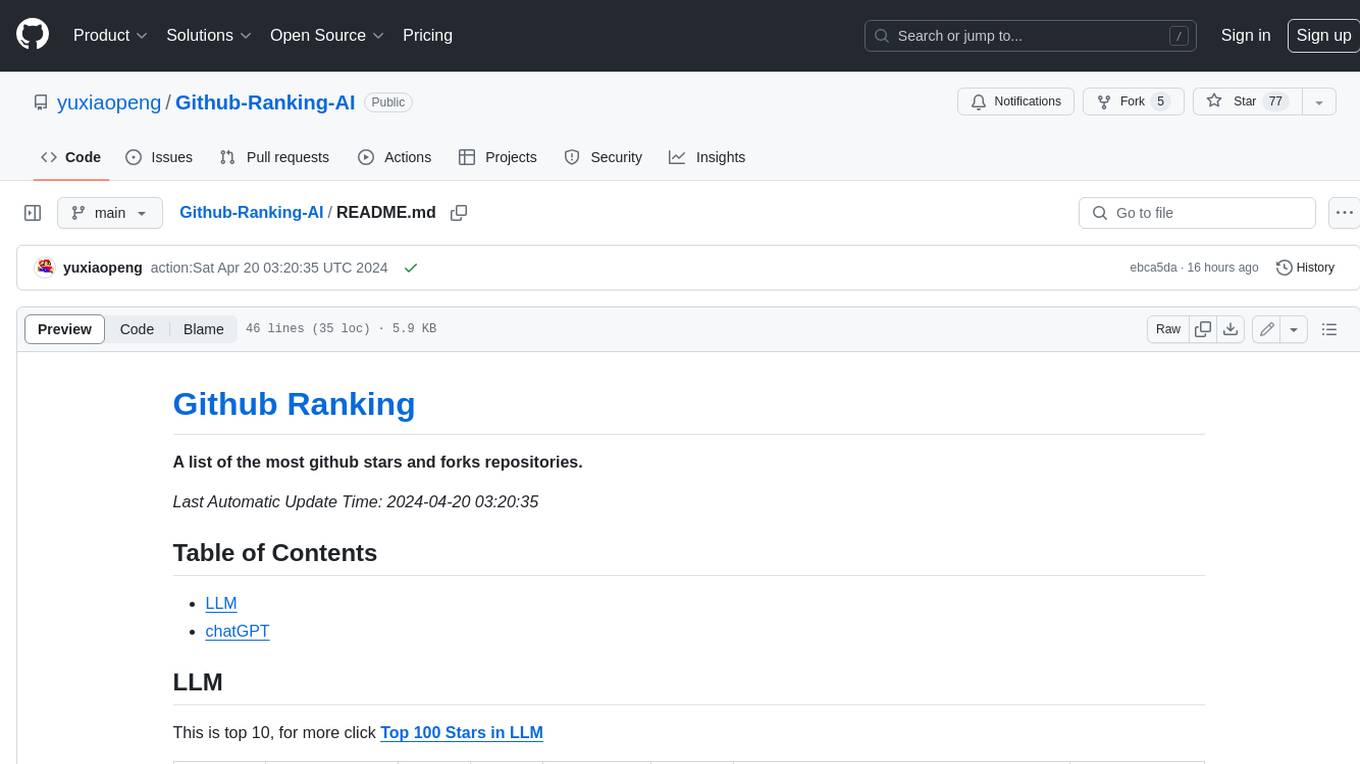
Github-Ranking-AI
This repository provides a list of the most starred and forked repositories on GitHub. It is updated automatically and includes information such as the project name, number of stars, number of forks, language, number of open issues, description, and last commit date. The repository is divided into two sections: LLM and chatGPT. The LLM section includes repositories related to large language models, while the chatGPT section includes repositories related to the chatGPT chatbot.
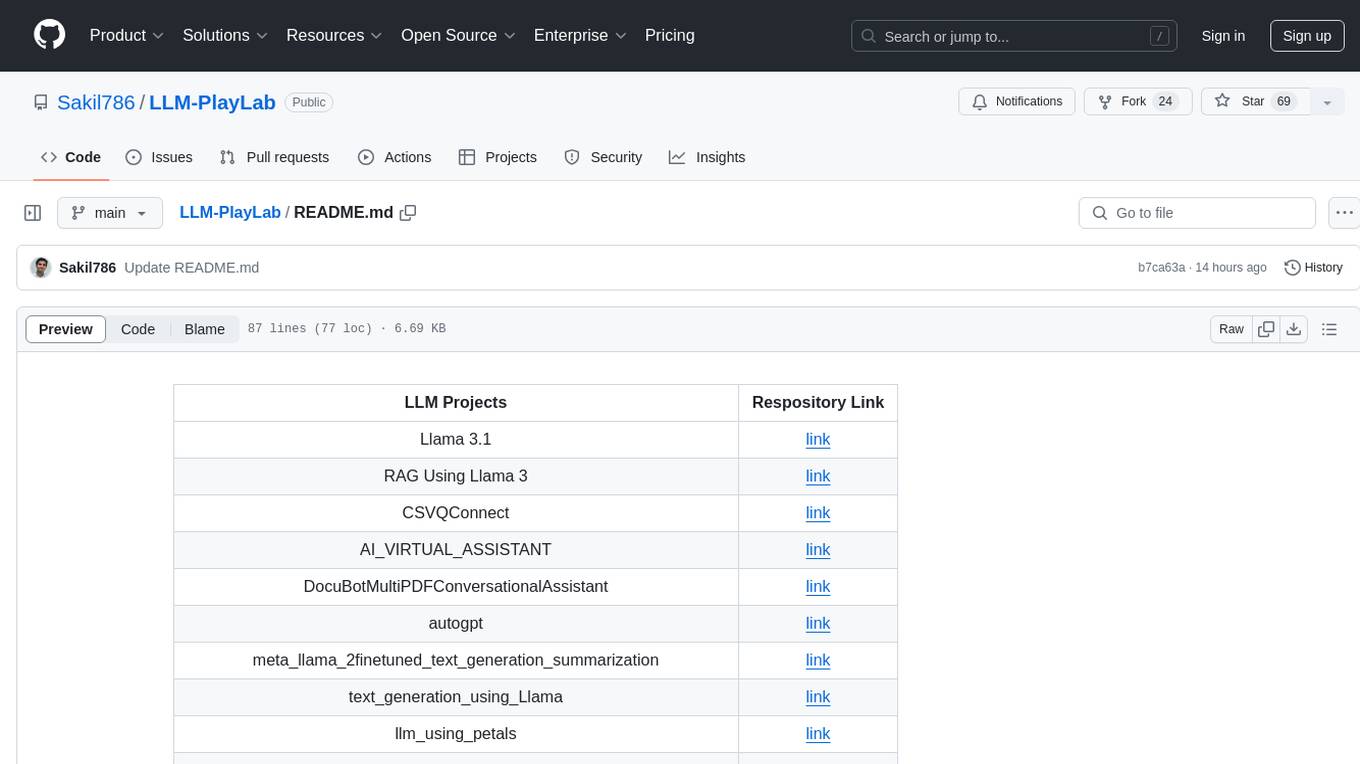
LLM-PlayLab
LLM-PlayLab is a repository containing various projects related to LLM (Large Language Models) fine-tuning, generative AI, time-series forecasting, and crash courses. It includes projects for text generation, sentiment analysis, data analysis, chat assistants, image captioning, and more. The repository offers a wide range of tools and resources for exploring and implementing advanced AI techniques.

carrot
The 'carrot' repository on GitHub provides a list of free and user-friendly ChatGPT mirror sites for easy access. The repository includes sponsored sites offering various GPT models and services. Users can find and share sites, report errors, and access stable and recommended sites for ChatGPT usage. The repository also includes a detailed list of ChatGPT sites, their features, and accessibility options, making it a valuable resource for ChatGPT users seeking free and unlimited GPT services.
For similar tasks
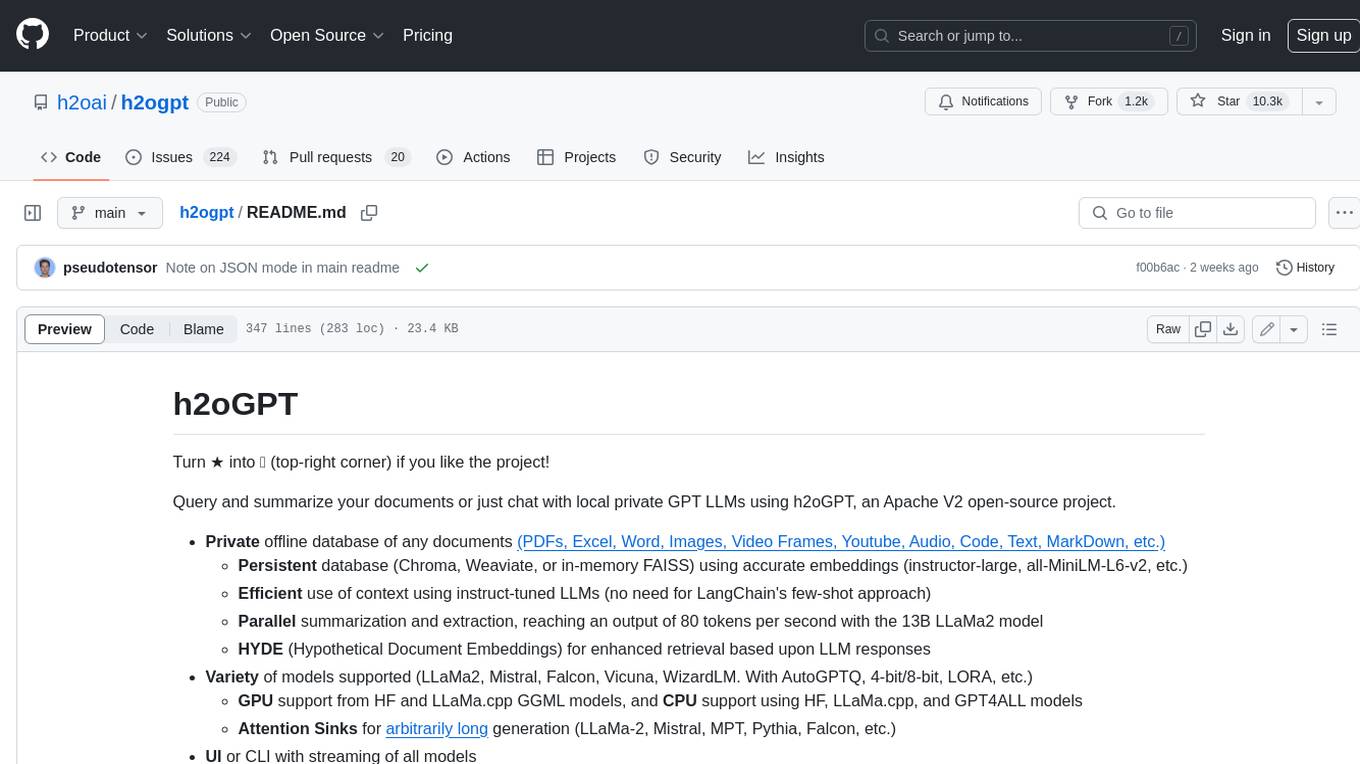
h2ogpt
h2oGPT is an Apache V2 open-source project that allows users to query and summarize documents or chat with local private GPT LLMs. It features a private offline database of any documents (PDFs, Excel, Word, Images, Video Frames, Youtube, Audio, Code, Text, MarkDown, etc.), a persistent database (Chroma, Weaviate, or in-memory FAISS) using accurate embeddings (instructor-large, all-MiniLM-L6-v2, etc.), and efficient use of context using instruct-tuned LLMs (no need for LangChain's few-shot approach). h2oGPT also offers parallel summarization and extraction, reaching an output of 80 tokens per second with the 13B LLaMa2 model, HYDE (Hypothetical Document Embeddings) for enhanced retrieval based upon LLM responses, a variety of models supported (LLaMa2, Mistral, Falcon, Vicuna, WizardLM. With AutoGPTQ, 4-bit/8-bit, LORA, etc.), GPU support from HF and LLaMa.cpp GGML models, and CPU support using HF, LLaMa.cpp, and GPT4ALL models. Additionally, h2oGPT provides Attention Sinks for arbitrarily long generation (LLaMa-2, Mistral, MPT, Pythia, Falcon, etc.), a UI or CLI with streaming of all models, the ability to upload and view documents through the UI (control multiple collaborative or personal collections), Vision Models LLaVa, Claude-3, Gemini-Pro-Vision, GPT-4-Vision, Image Generation Stable Diffusion (sdxl-turbo, sdxl) and PlaygroundAI (playv2), Voice STT using Whisper with streaming audio conversion, Voice TTS using MIT-Licensed Microsoft Speech T5 with multiple voices and Streaming audio conversion, Voice TTS using MPL2-Licensed TTS including Voice Cloning and Streaming audio conversion, AI Assistant Voice Control Mode for hands-free control of h2oGPT chat, Bake-off UI mode against many models at the same time, Easy Download of model artifacts and control over models like LLaMa.cpp through the UI, Authentication in the UI by user/password via Native or Google OAuth, State Preservation in the UI by user/password, Linux, Docker, macOS, and Windows support, Easy Windows Installer for Windows 10 64-bit (CPU/CUDA), Easy macOS Installer for macOS (CPU/M1/M2), Inference Servers support (oLLaMa, HF TGI server, vLLM, Gradio, ExLLaMa, Replicate, OpenAI, Azure OpenAI, Anthropic), OpenAI-compliant, Server Proxy API (h2oGPT acts as drop-in-replacement to OpenAI server), Python client API (to talk to Gradio server), JSON Mode with any model via code block extraction. Also supports MistralAI JSON mode, Claude-3 via function calling with strict Schema, OpenAI via JSON mode, and vLLM via guided_json with strict Schema, Web-Search integration with Chat and Document Q/A, Agents for Search, Document Q/A, Python Code, CSV frames (Experimental, best with OpenAI currently), Evaluate performance using reward models, and Quality maintained with over 1000 unit and integration tests taking over 4 GPU-hours.
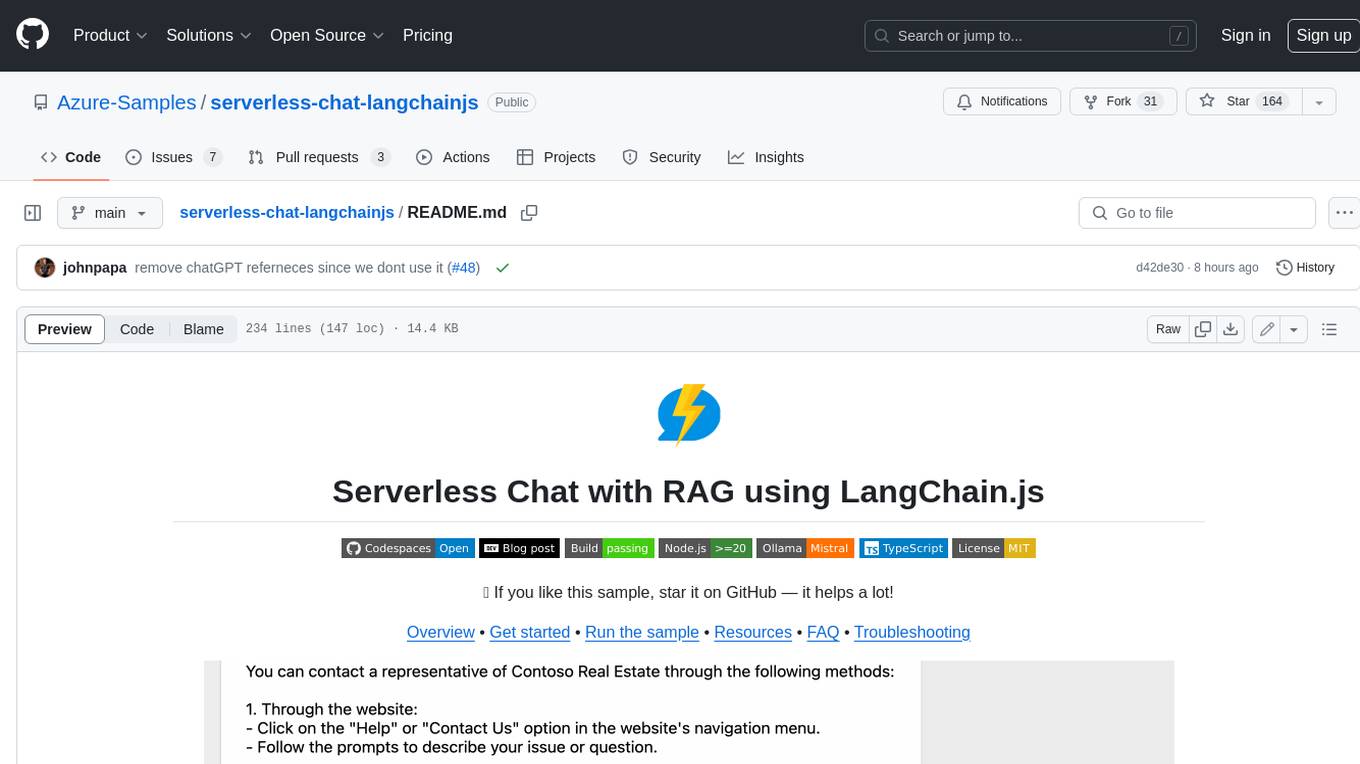
serverless-chat-langchainjs
This sample shows how to build a serverless chat experience with Retrieval-Augmented Generation using LangChain.js and Azure. The application is hosted on Azure Static Web Apps and Azure Functions, with Azure Cosmos DB for MongoDB vCore as the vector database. You can use it as a starting point for building more complex AI applications.
react-native-vercel-ai
Run Vercel AI package on React Native, Expo, Web and Universal apps. Currently React Native fetch API does not support streaming which is used as a default on Vercel AI. This package enables you to use AI library on React Native but the best usage is when used on Expo universal native apps. On mobile you get back responses without streaming with the same API of `useChat` and `useCompletion` and on web it will fallback to `ai/react`
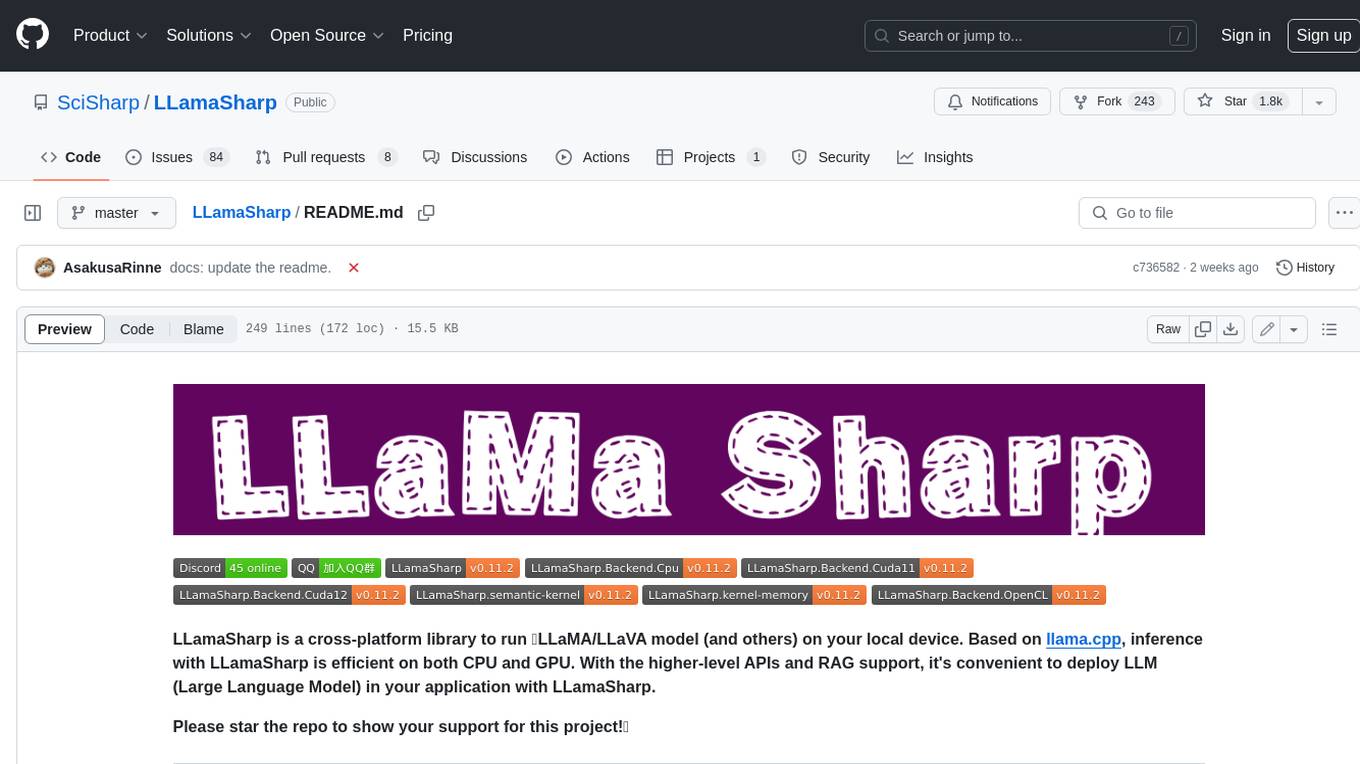
LLamaSharp
LLamaSharp is a cross-platform library to run 🦙LLaMA/LLaVA model (and others) on your local device. Based on llama.cpp, inference with LLamaSharp is efficient on both CPU and GPU. With the higher-level APIs and RAG support, it's convenient to deploy LLM (Large Language Model) in your application with LLamaSharp.
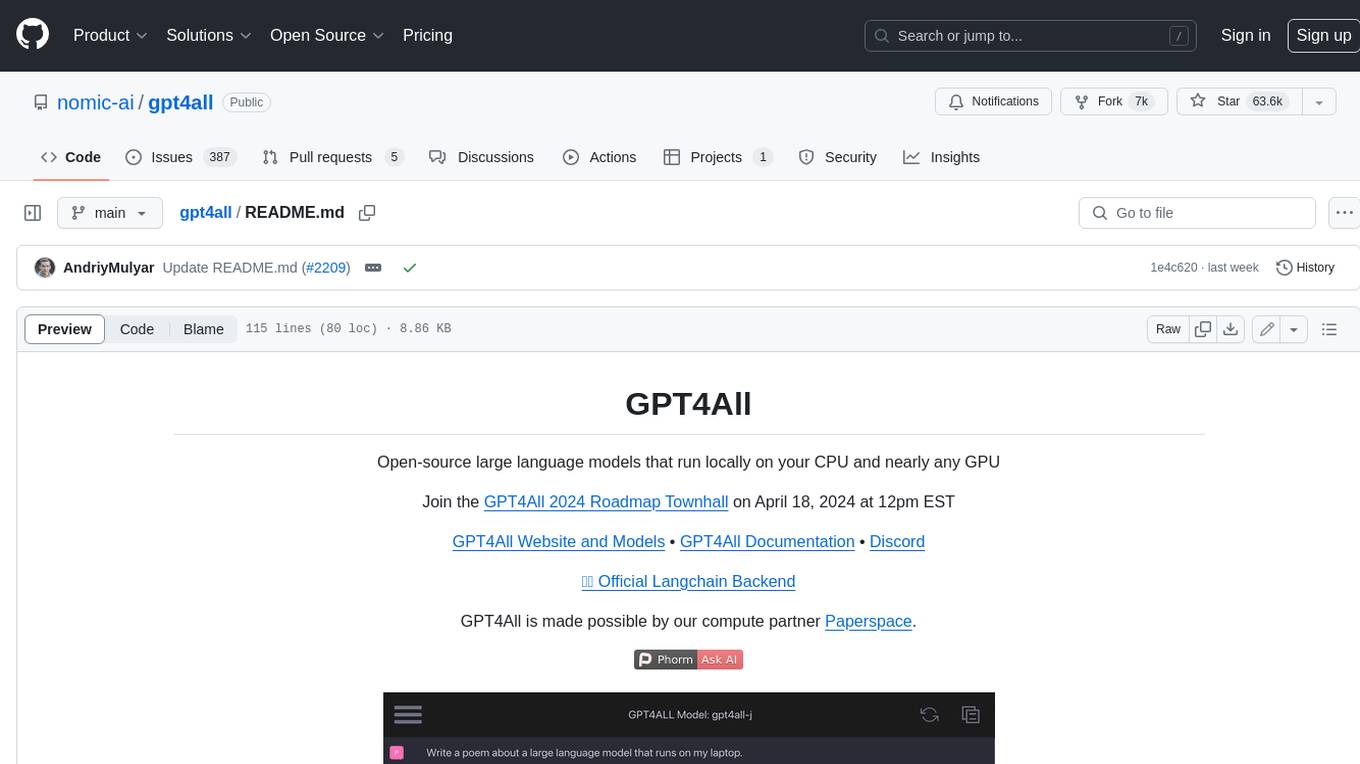
gpt4all
GPT4All is an ecosystem to run powerful and customized large language models that work locally on consumer grade CPUs and any GPU. Note that your CPU needs to support AVX or AVX2 instructions. Learn more in the documentation. A GPT4All model is a 3GB - 8GB file that you can download and plug into the GPT4All open-source ecosystem software. Nomic AI supports and maintains this software ecosystem to enforce quality and security alongside spearheading the effort to allow any person or enterprise to easily train and deploy their own on-edge large language models.
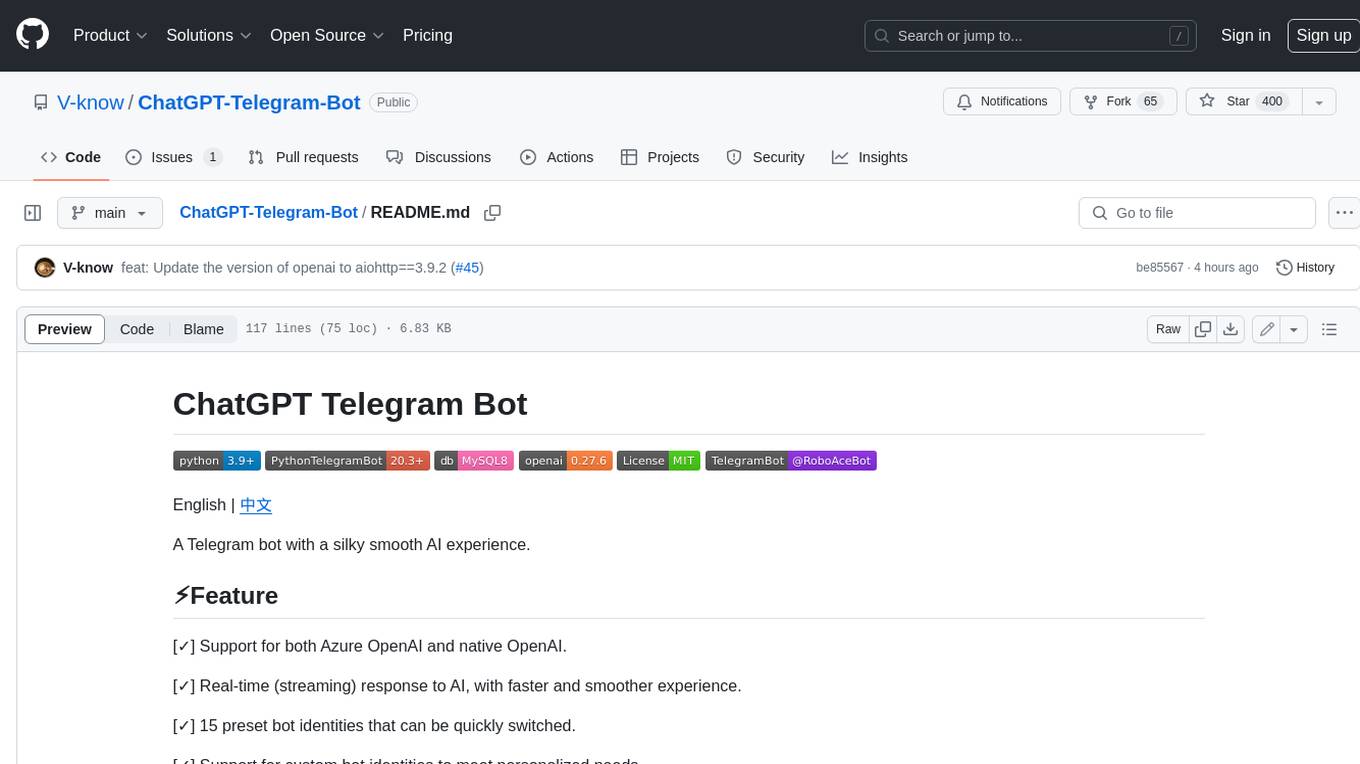
ChatGPT-Telegram-Bot
ChatGPT Telegram Bot is a Telegram bot that provides a smooth AI experience. It supports both Azure OpenAI and native OpenAI, and offers real-time (streaming) response to AI, with a faster and smoother experience. The bot also has 15 preset bot identities that can be quickly switched, and supports custom bot identities to meet personalized needs. Additionally, it supports clearing the contents of the chat with a single click, and restarting the conversation at any time. The bot also supports native Telegram bot button support, making it easy and intuitive to implement required functions. User level division is also supported, with different levels enjoying different single session token numbers, context numbers, and session frequencies. The bot supports English and Chinese on UI, and is containerized for easy deployment.
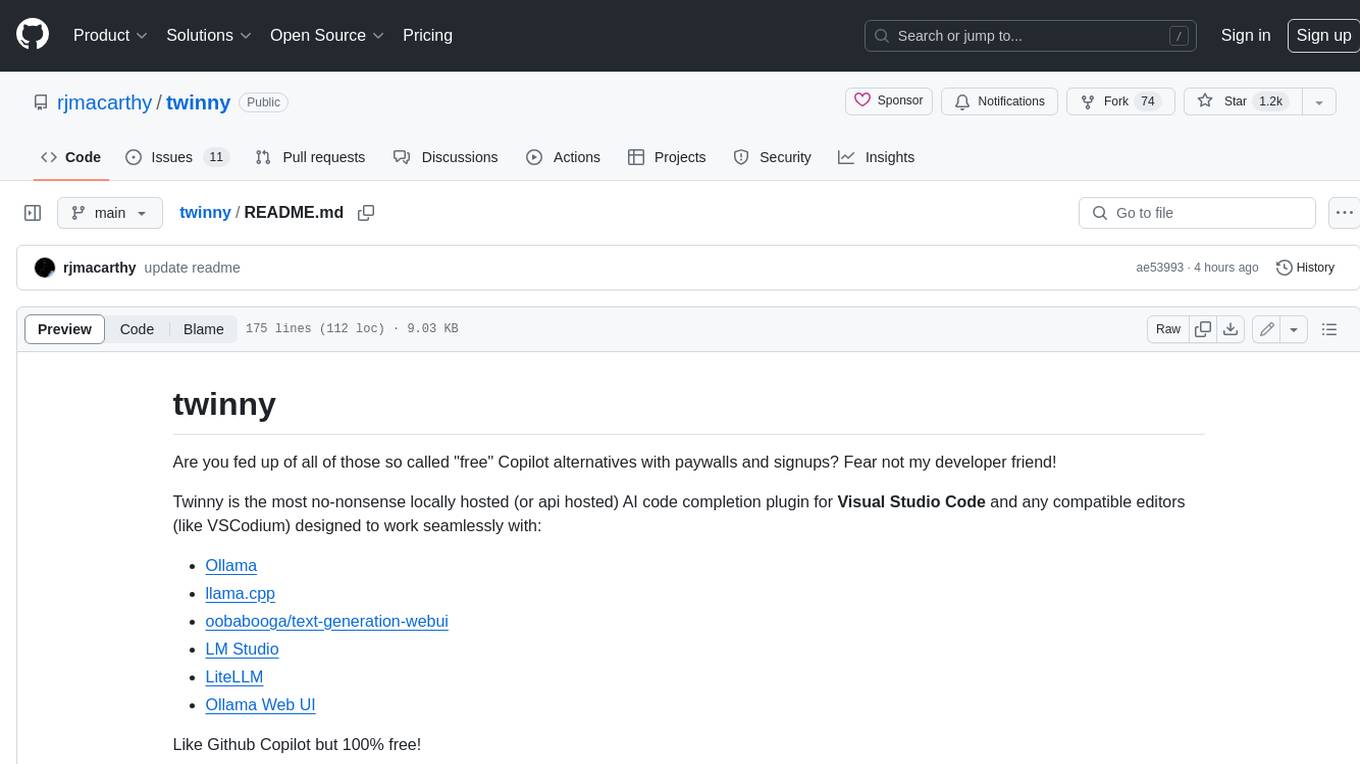
twinny
Twinny is a free and open-source AI code completion plugin for Visual Studio Code and compatible editors. It integrates with various tools and frameworks, including Ollama, llama.cpp, oobabooga/text-generation-webui, LM Studio, LiteLLM, and Open WebUI. Twinny offers features such as fill-in-the-middle code completion, chat with AI about your code, customizable API endpoints, and support for single or multiline fill-in-middle completions. It is easy to install via the Visual Studio Code extensions marketplace and provides a range of customization options. Twinny supports both online and offline operation and conforms to the OpenAI API standard.
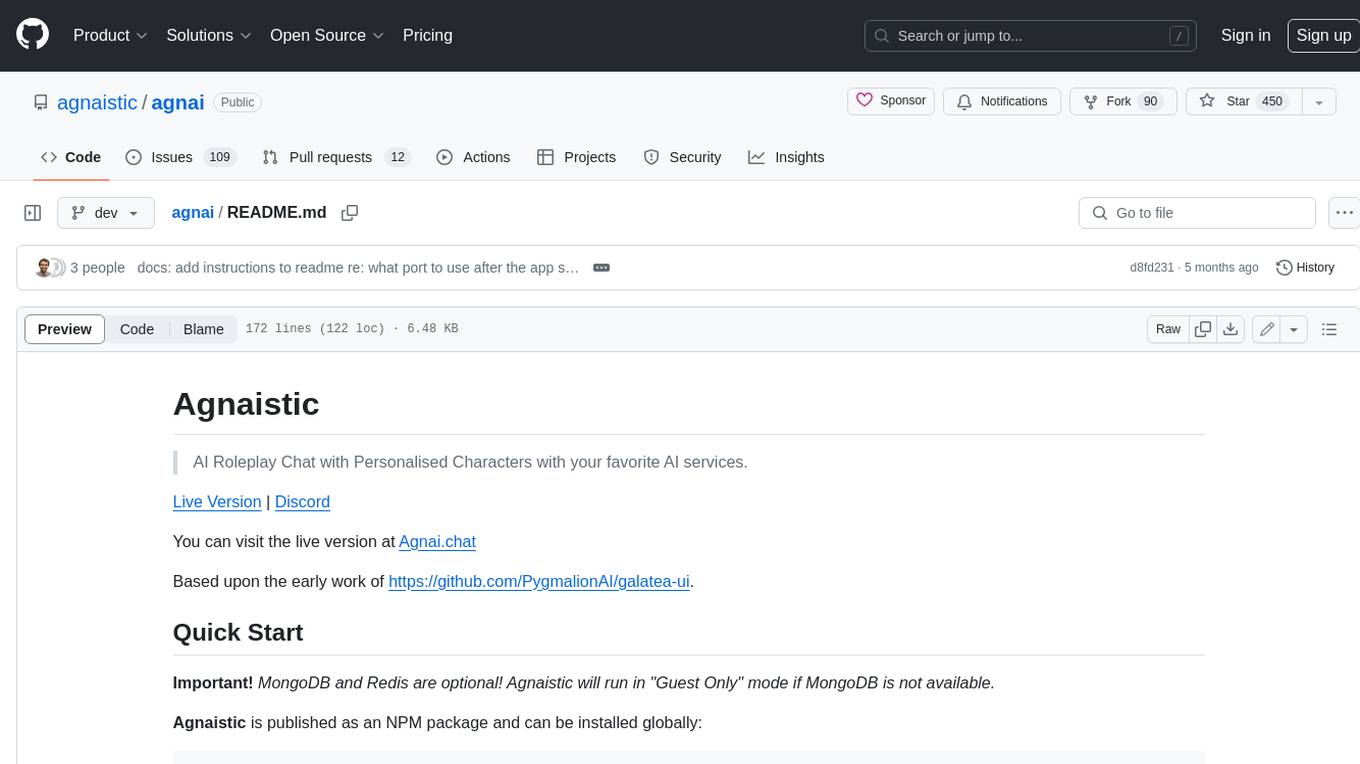
agnai
Agnaistic is an AI roleplay chat tool that allows users to interact with personalized characters using their favorite AI services. It supports multiple AI services, persona schema formats, and features such as group conversations, user authentication, and memory/lore books. Agnaistic can be self-hosted or run using Docker, and it provides a range of customization options through its settings.json file. The tool is designed to be user-friendly and accessible, making it suitable for both casual users and developers.
For similar jobs
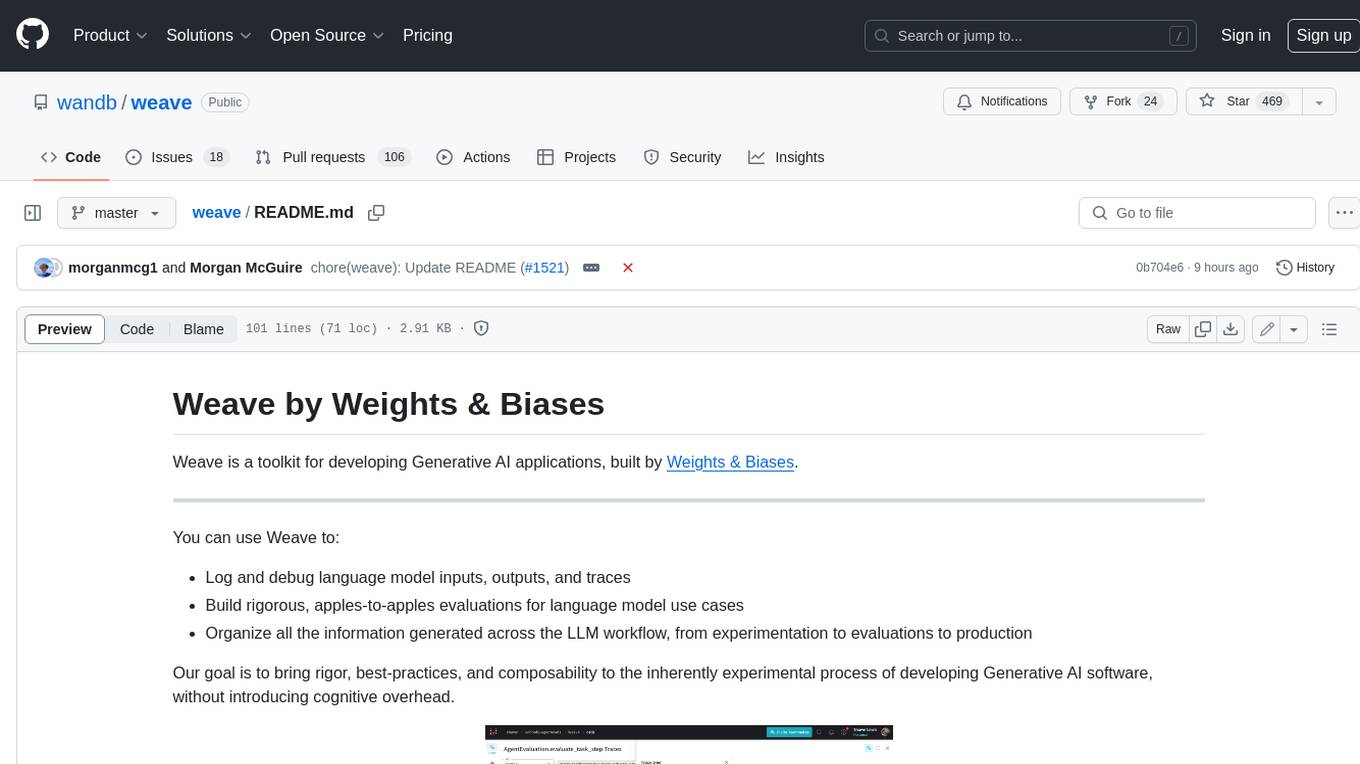
weave
Weave is a toolkit for developing Generative AI applications, built by Weights & Biases. With Weave, you can log and debug language model inputs, outputs, and traces; build rigorous, apples-to-apples evaluations for language model use cases; and organize all the information generated across the LLM workflow, from experimentation to evaluations to production. Weave aims to bring rigor, best-practices, and composability to the inherently experimental process of developing Generative AI software, without introducing cognitive overhead.
LLMStack
LLMStack is a no-code platform for building generative AI agents, workflows, and chatbots. It allows users to connect their own data, internal tools, and GPT-powered models without any coding experience. LLMStack can be deployed to the cloud or on-premise and can be accessed via HTTP API or triggered from Slack or Discord.
VisionCraft
The VisionCraft API is a free API for using over 100 different AI models. From images to sound.
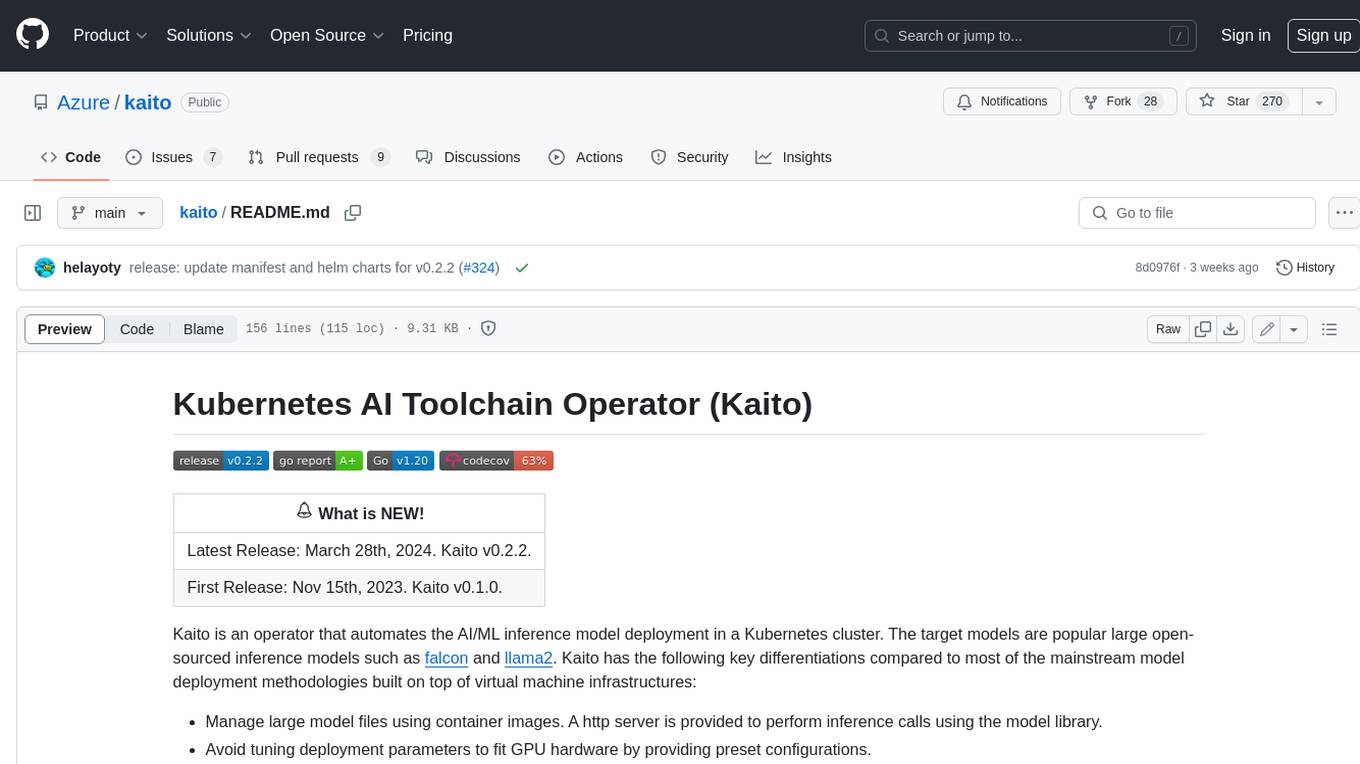
kaito
Kaito is an operator that automates the AI/ML inference model deployment in a Kubernetes cluster. It manages large model files using container images, avoids tuning deployment parameters to fit GPU hardware by providing preset configurations, auto-provisions GPU nodes based on model requirements, and hosts large model images in the public Microsoft Container Registry (MCR) if the license allows. Using Kaito, the workflow of onboarding large AI inference models in Kubernetes is largely simplified.
PyRIT
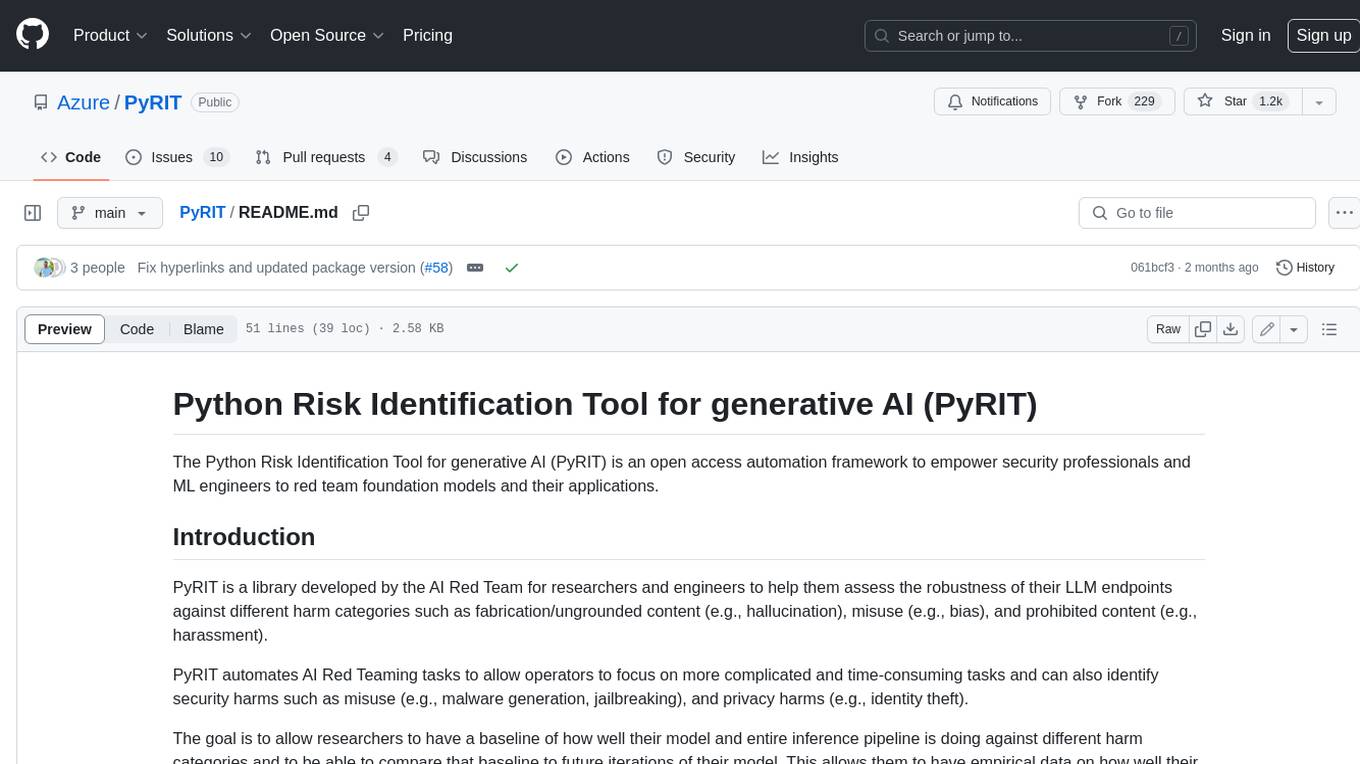
PyRIT is an open access automation framework designed to empower security professionals and ML engineers to red team foundation models and their applications. It automates AI Red Teaming tasks to allow operators to focus on more complicated and time-consuming tasks and can also identify security harms such as misuse (e.g., malware generation, jailbreaking), and privacy harms (e.g., identity theft). The goal is to allow researchers to have a baseline of how well their model and entire inference pipeline is doing against different harm categories and to be able to compare that baseline to future iterations of their model. This allows them to have empirical data on how well their model is doing today, and detect any degradation of performance based on future improvements.
tabby
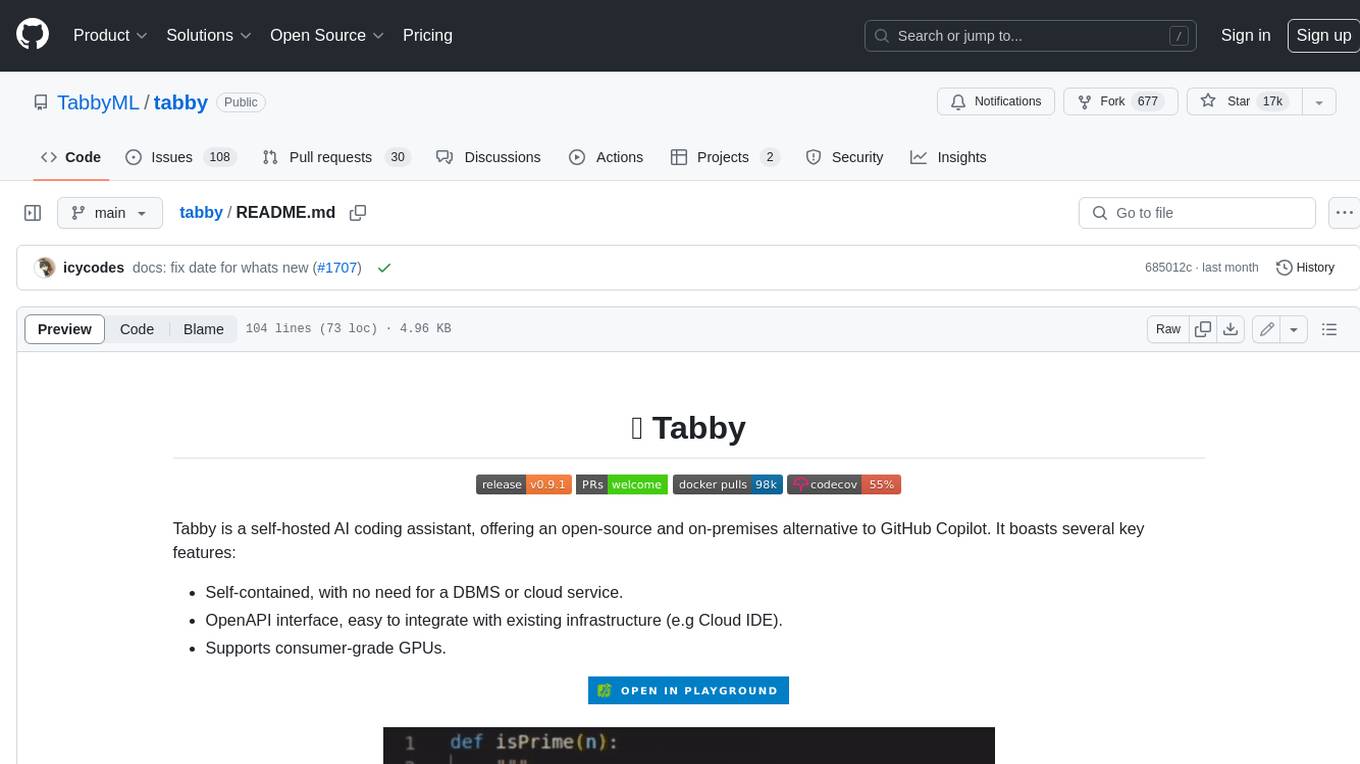
Tabby is a self-hosted AI coding assistant, offering an open-source and on-premises alternative to GitHub Copilot. It boasts several key features: * Self-contained, with no need for a DBMS or cloud service. * OpenAPI interface, easy to integrate with existing infrastructure (e.g Cloud IDE). * Supports consumer-grade GPUs.
spear
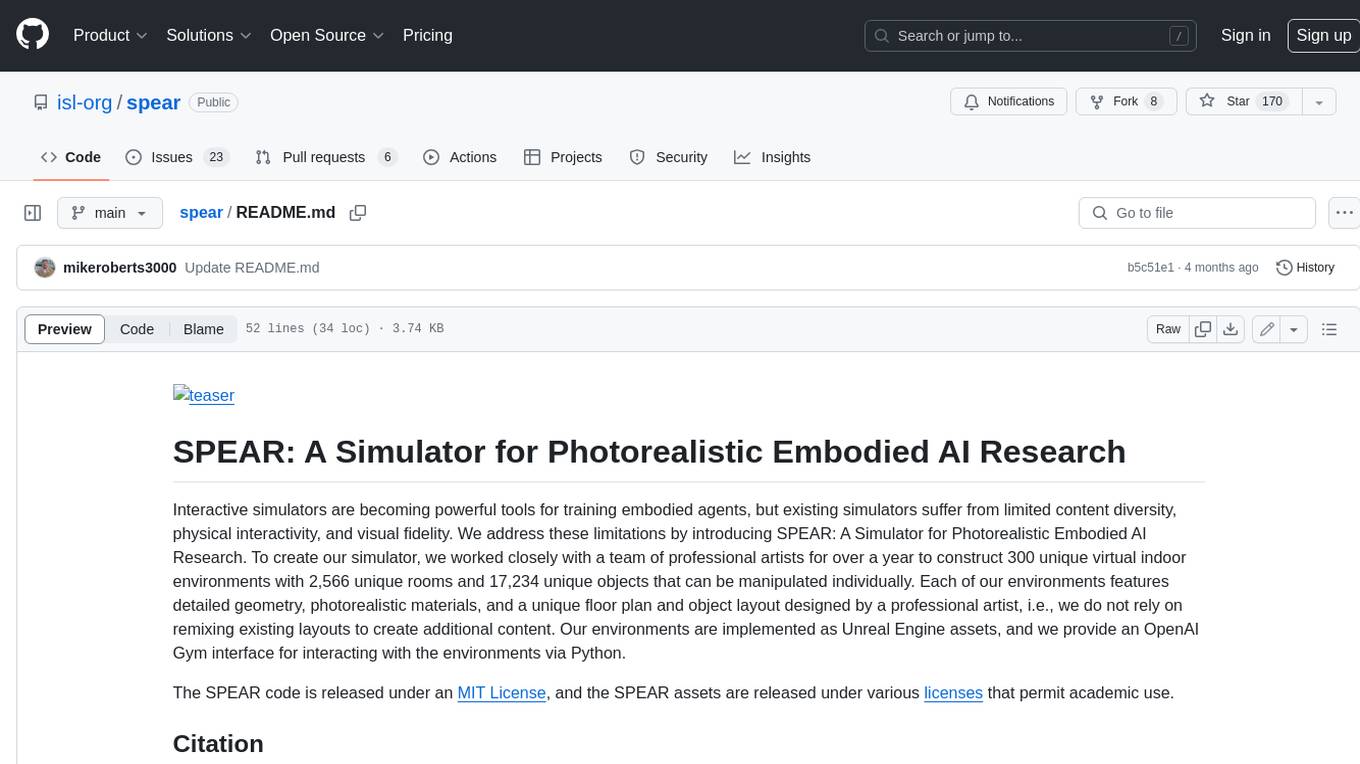
SPEAR (Simulator for Photorealistic Embodied AI Research) is a powerful tool for training embodied agents. It features 300 unique virtual indoor environments with 2,566 unique rooms and 17,234 unique objects that can be manipulated individually. Each environment is designed by a professional artist and features detailed geometry, photorealistic materials, and a unique floor plan and object layout. SPEAR is implemented as Unreal Engine assets and provides an OpenAI Gym interface for interacting with the environments via Python.
Magick
Magick is a groundbreaking visual AIDE (Artificial Intelligence Development Environment) for no-code data pipelines and multimodal agents. Magick can connect to other services and comes with nodes and templates well-suited for intelligent agents, chatbots, complex reasoning systems and realistic characters.